
The Traveler's Guide to Experiencing Street Kart Tours in Tokyo
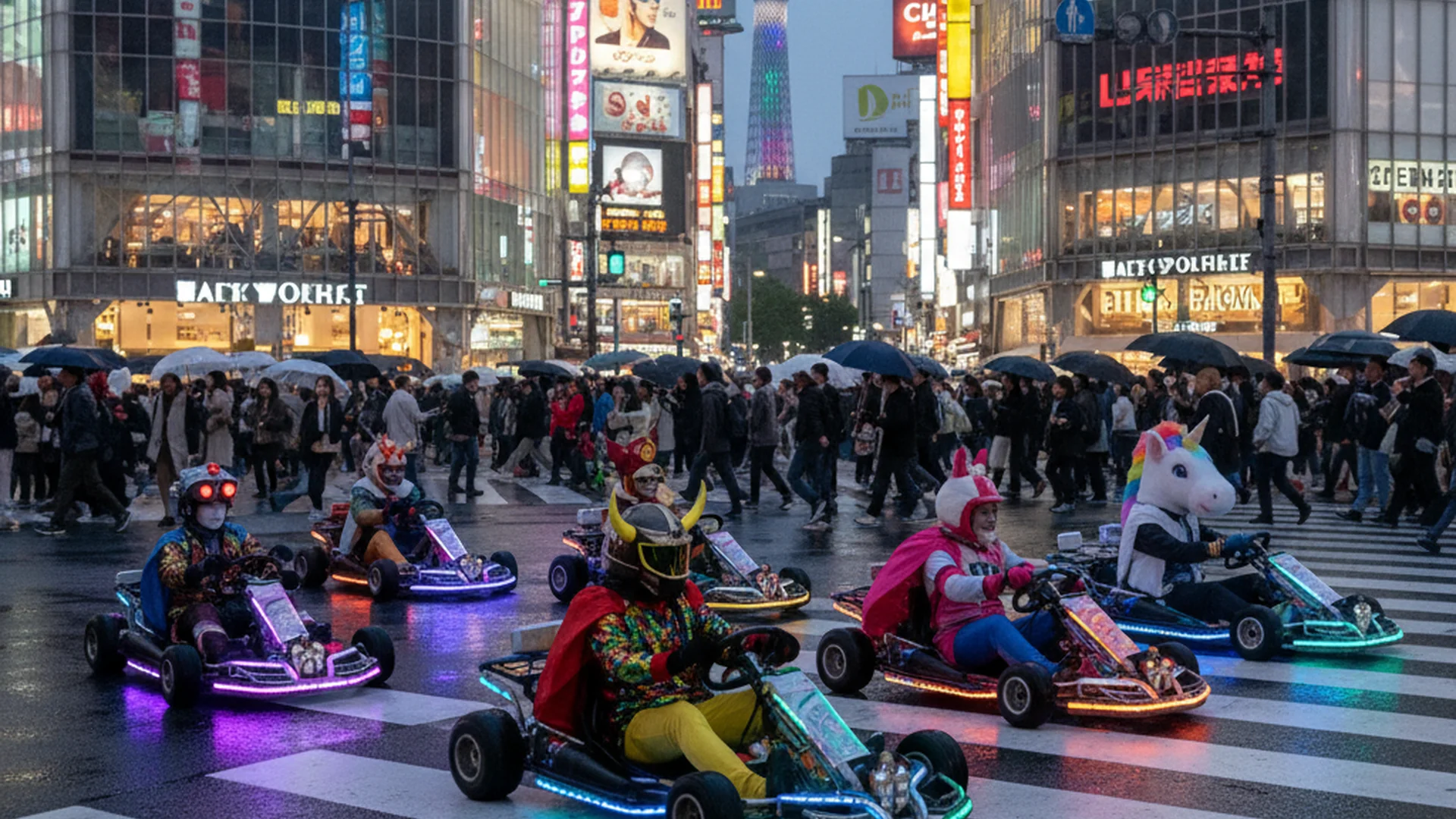
When I first visited Tokyo years ago, one of the most surreal sights I encountered was a line of people dressed as video game characters, driving tiny go-karts right alongside regular traffic on the city streets. It looked impossibly fun, a bit chaotic, and completely unique to Japan. Today, "street karting" has become one of the most sought-after experiences for visitors wanting to see the city from a different perspective.
This isn't a closed-circuit race; you are driving a street-legal go-kart on actual public roads, following a guide. It's an adrenaline rush and a fantastic photo opportunity, but it requires serious preparation. If you are considering this adventure, here is my in-depth guide on what to expect, the crucial documents you need, and how to make the most of your drive.
What Makes Street Kart Different
Several operators run street-kart tours in Tokyo, and Street Kart distinguishes itself in three concrete ways:
- Four garage locations: Street Kart operates out of Shibuya, Tokyo Bay (Odaiba), Akihabara, and Asakusa — more starting points than most competitors, giving you flexibility on where your tour begins and ends.
- The Rainbow Bridge route: Street Kart's Tokyo Bay course is the only one of its routes that crosses the Rainbow Bridge, driving through an industrial waterfront stretch, over the bridge with views of Tokyo Bay and the skyline, on toward Tokyo Tower, and back across the bridge to finish — a route none of Tokyo's other major kart operators currently offer.
- The original operator: Street Kart describes itself as the pioneer of Tokyo's street-kart scene and is generally considered the largest operator by fleet size and garage count, which is worth knowing if operational track record matters to you.
The Vital Prerequisite: The International Driving Permit (IDP)
The IDP requirement is universal across every Tokyo street-kart operator, so here's the short version — for the full breakdown (which countries need a translation instead, why the convention year matters, and what documents to bring), see our complete guide to Tokyo street go-karting.
You need a physical International Driving Permit based on the 1949 Geneva Convention — the 1968 Vienna Convention version is not accepted. If your license is from Switzerland, Germany, France, Taiwan, Belgium, or Monaco, you need an official Japanese translation instead, obtained from JAF or your embassy before you travel.
I have seen many disappointed travelers get turned away at the shop because they didn't have the correct paperwork. Your regular driver's license from your home country is not enough on its own, and there are zero exceptions made on the day.
Choosing Your Route and Tour Operator
Several companies operate street kart tours in Tokyo. The experience used to be dominated by one brand famously associated with Nintendo characters, but following intellectual property disputes years ago, the current operators use generic costumes (think superheroes, anime-style onesies, or cute animals).
Most tours range from 1 to 3 hours. Here are the most popular areas to base your tour:
The Shibuya Route
This is the most iconic choice. The highlight is driving right through the world-famous Shibuya Crossing. It is an incredible feeling to be so low to the ground while waves of pedestrians cross around you. These tours often cruise through Harajuku and past the Meiji Jingu shrine entrance (outer roads only) as well.
- Pros: High energy, iconic photo ops at the crossing.
- Cons: Traffic can be very heavy, meaning lots of stopping and starting.
The Akihabara Route
If you want to tap into the "otaku" (geek) culture vibe, Akihabara is the place. Driving past the multi-story arcades and electronics shops glowing with neon is a fantastic experience. The roads here can sometimes be wider and slightly easier to navigate than Shibuya's tight backstreets.
- Pros: Unique atmosphere, great neon views at night, generally easier driving.
- Cons: Fewer globally recognized landmarks compared to Shibuya or Tokyo Tower.
The Tokyo Bay and Rainbow Bridge Route
Departing from Street Kart's Tokyo Bay garage in Odaiba, this route is the only one that crosses the Rainbow Bridge — driving through a waterfront industrial stretch, over the bridge with views of Tokyo Bay and the skyline, on toward the illuminated Tokyo Tower, then back across the bridge to finish. It's exclusive to this garage; none of the other routes or operators currently offer a Rainbow Bridge crossing.
- Pros: A genuinely unique bridge crossing, beautiful bay and skyline views, a scenic Tokyo Tower approach at night.
- Cons: Involves some driving on wider, faster roads that can feel more exposed than Shibuya or Akihabara's side streets.
The Asakusa Route
Street Kart's fourth garage, in Asakusa, runs routes through the historic streets near Sensoji Temple and the base of Tokyo Skytree.
- Pros: A contrast to the other three routes' modern/neon focus, pairing traditional Tokyo with the go-kart novelty.
- Cons: Fewer neon/nightlife visuals than the Shibuya or Akihabara routes if that's what you're after.
What to Expect on Tour Day
Arrival and Preparation
You should arrive at the shop at least 20-30 minutes before your scheduled departure. You will need to present your passport and physical IDP (or license + translation).
After the paperwork, you'll choose your costume. The selection varies by shop but usually includes a wide range of colorful onesies and superhero outfits. You are also welcome to wear your own clothes if you prefer, but the costume adds to the fun and visibility.
Next is the safety briefing. The guide will explain how to operate the kart. They are simple: automatic transmission, right pedal for gas, left for brake. They will also cover Japanese road rules, such as driving on the left side of the road and important signage.
Safety Note: Helmets are generally not required by law for these specific vehicles, and shops usually don't provide them. You can bring your own if you want extra protection. You will be offered goggles or sunglasses, which I highly recommend wearing to protect your eyes from wind and dust.
The Drive Itself
You will drive in a single file behind your guide. The guide will communicate using hand signals to indicate turns, lane changes, or stops. It is crucial to stay alert and keep a safe distance from the kart in front of you.
The karts sit very low, making other vehicles feel huge. Trucks and buses can be intimidating, but if you follow your guide and stay in your lane, it's generally safe. The maximum speed you'll reach is around 50-60 km/h (30-37 mph), but often you'll be going much slower due to traffic.
The reaction from people on the street is part of the fun. Pedestrians will wave, take photos, and smile. Feel free to wave back—you are part of the show!
Seasonal Considerations and Timings
- Best Time of Day: Twilight is my absolute favorite time. You start while it's light out, getting comfortable with the kart, and then watch the city transition as all the neon lights turn on. Night tours are spectacular but require more concentration. Daytime tours offer better visibility for driving.
- Weather: Tours run year-round, but the experience varies greatly.
- Spring/Autumn: Ideal conditions. Pleasant temperatures make driving comfortable in a costume.
- Summer: It gets incredibly hot and humid in Tokyo. Sitting in a go-kart on asphalt in a polyester onesie can be intense. Stay hydrated and chose a lighter costume.
- Winter: It gets very cold, especially at night with the wind chill from driving. Wear thermal layers under your costume and bring gloves.
- Rain: Most companies will run tours in light rain and provide rain gear. However, heavy rain or typhoons will cause cancellations for safety reasons.
Practical Do's and Don'ts
- DO NOT take your phone out to take photos while driving. It is illegal and dangerous. Your guide will take photos of you at red lights or designated stops, and many companies include these photos in the tour package. You can also wear a GoPro if you have a chest or head mount.
- DO wear closed-toe shoes. Sandals or high heels are not allowed for safety reasons. Sneakers are best.
- DO NOT consume any alcohol before driving. Japan has a zero-tolerance policy for drinking and driving, with severe penalties.
- DO bring a small bag that you can wear across your body or store securely in the small pouch some karts have. Don't bring anything loose that could fall out.
Exploring After the Ride
After your adrenaline-filled tour, you'll likely be hungry or looking to relax. Here are some ideas based on popular starting points.
Near Shibuya
If you finish in Shibuya, head to Shibuya Sky in the Scramble Square building for a breathtaking open-air rooftop view of the crossing you just drove through. For food, the subterranean food halls (depachika) in department stores like Tokyu Food Show offer an overwhelming array of high-quality bento boxes, snacks, and sweets perfect for refueling.
Near Akihabara
In Akihabara, after returning your kart, you could visit a themed cafe like a maid cafe for a uniquely Japanese experience. For something classic, check out Kanda Myojin Shrine, located just a short walk from the main electronics district. It's a beautiful historic shrine that creates an interesting contrast with modern Akihabara.
Frequently Asked Questions
What makes Street Kart different from other Tokyo street-kart operators?
Street Kart operates four garages (Shibuya, Tokyo Bay/Odaiba, Akihabara, and Asakusa) — more than most competitors — and its Tokyo Bay course is the only route that crosses the Rainbow Bridge. It's also generally considered Tokyo's original and largest street-kart operator.
Which Street Kart route includes the Rainbow Bridge?
Only the Tokyo Bay (Odaiba) route. It drives through a waterfront industrial stretch, crosses the Rainbow Bridge with views of Tokyo Bay and the skyline, continues toward Tokyo Tower, and crosses back over the bridge to finish.
Do I need a different IDP for Street Kart specifically?
No — the International Driving Permit requirement is the same across every Tokyo street-kart operator: a physical IDP based on the 1949 Geneva Convention (or an official Japanese translation of your license if you're from Switzerland, Germany, France, Taiwan, Belgium, or Monaco).
Which Street Kart location should I choose?
Shibuya for the Shibuya Crossing photo moment, Akihabara for neon arcade views with easier driving, Tokyo Bay for the Rainbow Bridge crossing and Tokyo Tower views, and Asakusa if you'd rather pair the go-kart novelty with a more traditional, historic backdrop near Sensoji Temple.
A Tokyo Street Kart tour is one of those experiences you'll talk about for years. It’s a little silly, a little thrilling, and a fantastic way to feel a part of the city's vibrant energy. Just ensure your paperwork is in order, drive responsibly, and enjoy the ride!