
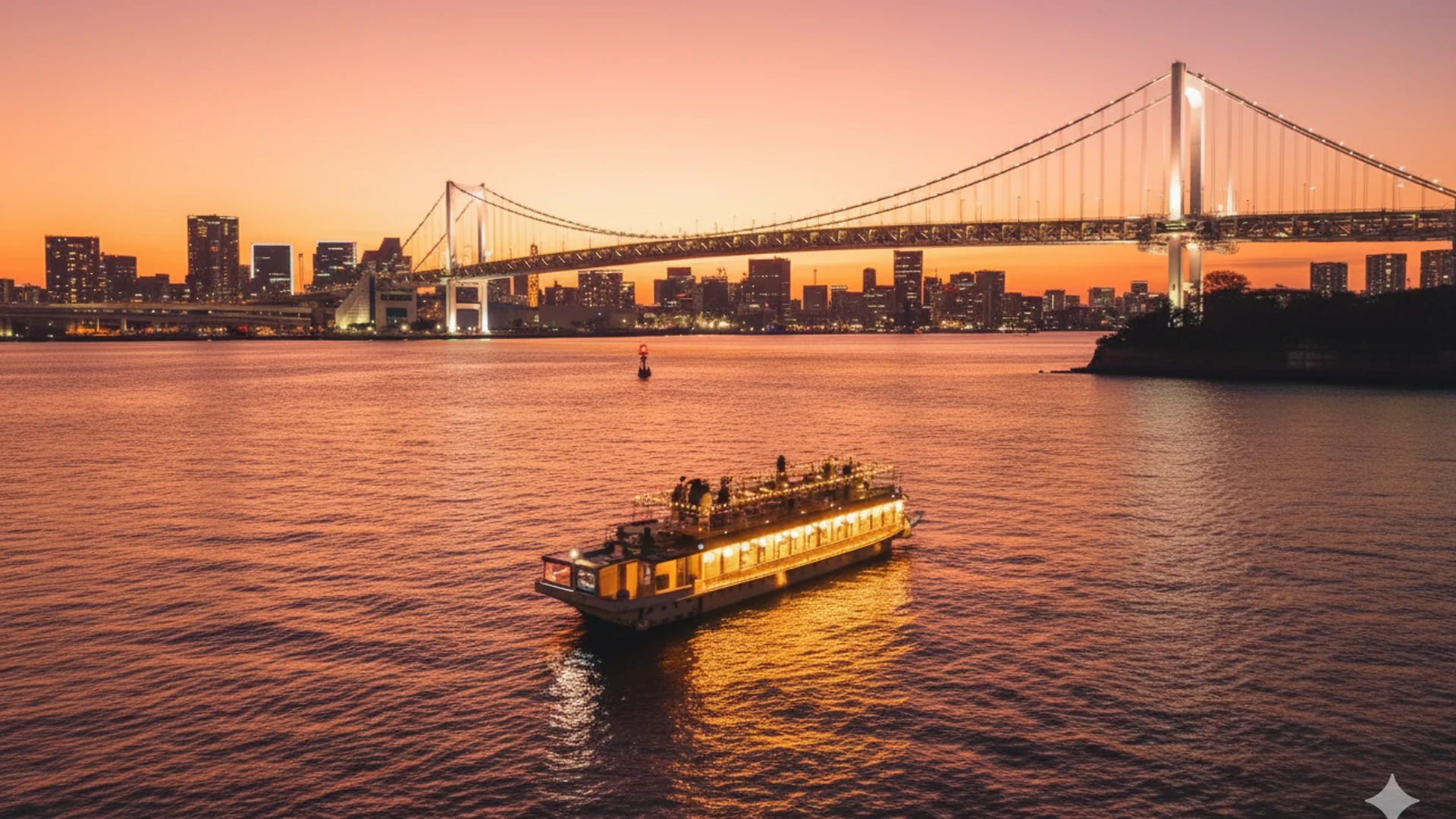
Experience the Best Tokyo Cruises and Water Bus Routes
When most people think of navigating Tokyo, they imagine the complex web of subway lines or the crowded rush of Shinjuku Station. However, after exploring this metropolis for over fifteen years, I can tell you that the most relaxing and scenic way to see the city is actually from its historic waterways. The Sumida River, which was once the lifeblood of the Edo period (1603–1867) for transport and commerce, has transformed into a premier leisure destination.
Taking a Tokyo Cruise offers a perspective you simply cannot get from the street level. You glide past the juxtaposition of centuries-old temples and futuristic skyscrapers, all while avoiding the foot traffic. In this guide, I will walk you through the different types of cruising experiences, from sci-fi water buses to traditional dinner boats, and help you plan the perfect voyage.
The Evolution of Tokyo's Waterways
To appreciate the cruise, it helps to understand a bit of history. In the past, the river was crowded with small wooden merchant boats and was the primary highway for goods entering the capital. Today, the water is much cleaner, and the banks are lined with promenades and cherry blossom trees. The chaotic merchant traffic has been replaced by sleek sightseeing vessels.
Where you used to see warehouses, you now see high-end apartments and the towering Tokyo Skytree. However, the route remains the same, connecting the old downtown area of Asakusa with the reclaimed, modern islands of the bay.
Choosing Your Vessel: Sci-Fi vs. Classic
One of the most delightful surprises for travelers is the sheer variety of boats available.
The Futuristic Series (Himiko, Hotaluna, Emeraldas)
If you are a fan of anime or design, I highly recommend booking one of the "manga artist" designed boats. Created by Leiji Matsumoto, these vessels—the Himiko, Hotaluna, and the newer Emeraldas—look like spaceships floating on water. They feature teardrop-shaped glass windows and metallic silver bodies.
- The Experience: The interior is just as impressive, often featuring voice-over announcements by anime characters. The panoramic windows offer unobstructed views of the bridges you pass under.
- Best For: Families, design lovers, and photographers.
The Classic Water Bus
These are the double-decker vessels with an open upper deck. While they lack the space-age aesthetic, they offer something the enclosed futuristic boats don't: fresh air. Standing on the top deck with the wind in your hair as you approach the Rainbow Bridge is exhilarating.
The Most Popular Route: Asakusa to Odaiba
This is the "Golden Route" for travelers. I suggest starting your day in Asakusa. Before boarding, you can explore Senso-ji Temple and grab a matcha gelato from one of the vendors on Nakamise Street. The pier is just a short walk from the temple, located right next to the famous Azuma Bridge and the golden "Asahi Beer Hall" sculpture.
The journey takes about 50 to 70 minutes depending on the ship. As you depart Asakusa, you are in "Old Tokyo." You will pass under a series of bridges, each painted a different color and boasting a unique structural design. As you head downriver, the scenery shifts. The buildings get taller, the river gets wider, and suddenly you emerge into Tokyo Bay.
Seeing the Rainbow Bridge from below is a highlight. The boat often passes directly under it before docking at Odaiba Seaside Park.
Nearby Experience: Once you dock in Odaiba, you are steps away from the futuristic shopping malls. I recommend visiting the Small Worlds Tokyo museum or simply walking along the man-made beach. It is a stark contrast to the traditional start of your journey.
The Yakatabune: A Traditional Dinner Cruise
For a deeper cultural immersion, you must try a Yakatabune. These are low-profile, long boats adorned with red lanterns. In the Edo period, wealthy merchants and samurai used these for moon-viewing parties and leisurely evenings.
Today, they serve as floating restaurants.
- The Atmosphere: Inside, you sit on tatami mats (though many now have low tables with legroom for comfort) and eat traditional Japanese cuisine, usually Tempura and Sashimi.
- The View: These cruises typically run in the evening. The boat will often pause in the harbor near Odaiba so you can step out onto the deck and take photos of the illuminated city skyline.
- Comparisons: Unlike the commuter-style water buses, this is a slow, social experience. It is often "all-you-can-drink," making the atmosphere lively and convivial.
Hama-rikyu Gardens: A Unique Stop
Some water buses make a stop at Hama-rikyu Gardens. This is a special experience because the garden has its own sea lock. Since the garden's ponds are tidal (connected to the bay), the boat actually has to enter a lock gate to adjust the water level before entering the garden dock.
I recommend getting off here if you enjoy tranquility. It is an Edo-period feudal lord's garden surrounded by the skyscrapers of Shiodome. After disembarking, head to the tea house in the middle of the pond for matcha and a sweet. It is a peaceful transition from the boat ride.
Seasonal Considerations: Cherry Blossoms and Fireworks
Spring (Sakura Season)
Late March to early April is arguably the most beautiful time to cruise. The banks of the Sumida River are lined with cherry blossom trees. The view from the water, looking up at the tunnel of pink flowers, is breathtaking.
- Insider Tip: These tickets sell out weeks, sometimes months, in advance. If you want this experience, plan ahead.
Summer Fireworks
The Sumida River Fireworks Festival is famous, but the crowds on land are overwhelming. Watching from a boat is the VIP experience. However, these exclusive seats are often lottery-based or part of expensive package deals.
Practical Information and Tips
Timings and Schedules
- Water Buses: Generally operate from around 10:00 AM to 6:00 PM. The schedule changes based on the season and the specific vessel.
- Dinner Cruises: Usually depart between 6:00 PM and 7:30 PM and last about 2 to 2.5 hours.
Things to Keep in Mind (Dos and Don'ts)
- Do arrive at the pier at least 15-20 minutes before departure. Japanese transport is punctual; the boat will leave without you.
- Do check the weather. While the futuristic boats are fully enclosed and comfortable in rain, the views are significantly better on clear days.
- Don't assume you can buy a ticket on the spot for popular times (weekends/holidays). Online reservations are highly recommended.
- Don't wear shoes that are hard to take off if you are booking a Yakatabune. You will likely need to remove them to enter the seating area.
Accessibility
Most modern terminals like Asakusa and Odaiba are wheelchair accessible, and the newer vessels (Emeraldas, Hotaluna) are designed with accessibility in mind. However, older boats and some Yakatabune might require steps, so it is best to inquire beforehand.
Nearby Food and Drink
If you end your cruise at Hinode Pier, you are quite close to the Takeshiba area, which has seen recent renovations. There are lovely terrace cafes overlooking the bay where you can enjoy a glass of wine or a coffee while watching the ships come and go.
At the Asakusa end, right across the river from the pier, is the Tokyo Mizumachi complex. It is a new promenade under the railway tracks connecting Asakusa to Skytree. It is filled with trendy cafes, a hostel, and lifestyle shops. It is a great place to walk off your "sea legs."
FAQ
What's the difference between a Tokyo water bus and a Yakatabune?
The water bus is scheduled, daytime transport (roughly 10:00 AM to 6:00 PM) that gets you from A to B along the river, whether you're on a classic double-decker or one of the futuristic Himiko/Hotaluna/Emeraldas boats. The Yakatabune is an evening dinner cruise — a traditional, low-profile boat with red lanterns where you sit on tatami mats, eat tempura and sashimi, and it's often all-you-can-drink. One is transport with a view; the other is a slow, social evening out on the water.
What's the difference between the Hotaluna and Emeraldas boats?
Both are part of the same futuristic series designed by manga artist Leiji Matsumoto, alongside the Himiko — sharing the same sci-fi look of teardrop-shaped glass windows and metallic silver bodies, plus anime character voice-over announcements onboard. The Emeraldas is the newer of the two vessels. In practice, the choice usually comes down to which one is running your preferred day and time slot rather than picking a fundamentally different experience.
How long is the Sumida River cruise from Asakusa to Odaiba?
About 50 to 70 minutes depending on which boat you're on, covering the "Golden Route" from Asakusa down the Sumida River, under the Rainbow Bridge, to Odaiba Seaside Park.
What are the operating hours for Tokyo's water buses?
Generally around 10:00 AM to 6:00 PM, though the exact schedule shifts by season and vessel. Dinner cruises (Yakatabune) typically depart between 6:00 PM and 7:30 PM and last 2 to 2.5 hours.
Is a Tokyo river cruise worth it?
Yes, if you want a break from Tokyo's street-level pace — the Asakusa-to-Odaiba route passes centuries-old bridges and temples before opening into Tokyo Bay under the Rainbow Bridge. It's especially worth booking ahead during cherry blossom season, when tickets sell out weeks or months in advance.
Final Thoughts
A Tokyo Cruise is more than just a way to get from Point A to Point B. It is a journey through time, floating between the historic legacy of the shogun's capital and the neon-lit future of modern Tokyo. Whether you choose the sleek lines of the Himiko or the red lanterns of a Yakatabune, the view from the water provides a moment of calm and beauty in one of the world's busiest cities.
Pack your camera, book your ticket, and enjoy the river breeze. Safe travels!