
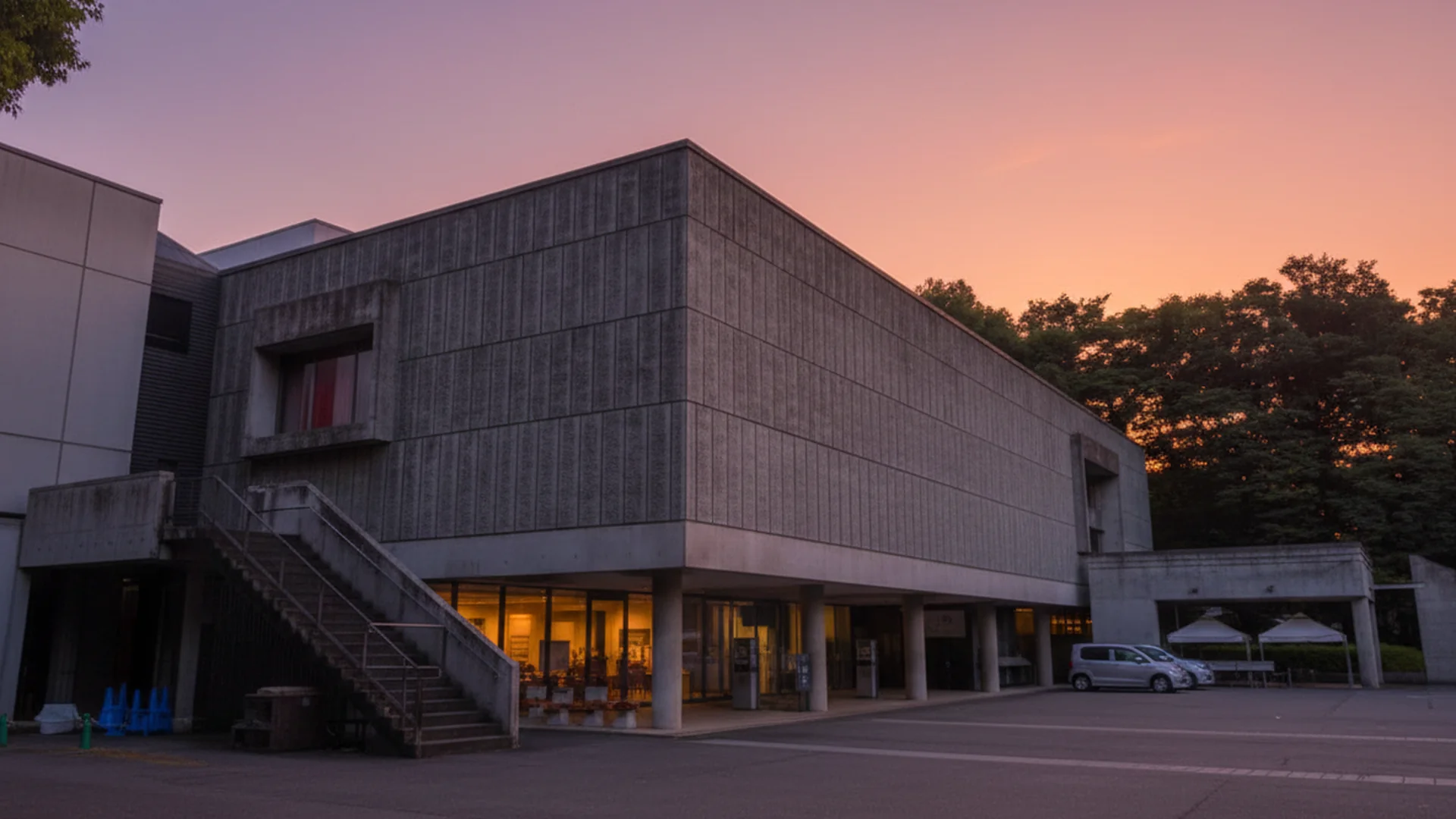
Exploring The National Museum of Western Art Tokyo Guide
When you think of Tokyo, your mind likely wanders to the scramble of Shibuya or the neon lights of Shinjuku. However, nestled in the green lung of the city—Ueno Park—lies a sanctuary of culture that offers a completely different pace. I recommend every traveler carve out a morning or afternoon to visit The National Museum of Western Art (NMWA).
It is not just a building; it is a time capsule of European history transplanted into the heart of Japan, and it holds the distinction of being Tokyo’s only UNESCO World Heritage site for its Modern Architectural value. Whether you are an art aficionado or just someone looking to escape the humidity and crowds of the city streets, this museum is a profound experience.
A Legacy of Resilience: The Story Behind the Museum
To appreciate what you are seeing, you need to understand the history. The museum was established in 1959, but its roots go back much further. It houses the Matsukata Collection. Kōjirō Matsukata was a Japanese industrialist who spent the early 20th century collecting thousands of pieces of Western art with the dream of creating a museum in Japan so his countrymen could see European masterpieces without traveling abroad.
Due to historical geopolitical shifts in the mid-20th century, the collection was kept in France for safety. Eventually, the French government returned the collection to Japan as a gesture of renewed friendship, with one condition: a dedicated museum had to be built by a French architect to house it. That architect was the legendary Le Corbusier.
Then vs. Now: In 1959, this building stood as a radical, brutalist statement amidst a recovering Tokyo. Today, it stands as a classic mid-century masterpiece, harmonizing perfectly with the lush ginkgo trees of Ueno Park. It has transitioned from a symbol of modernity to a cherished cultural anchor.
The Architecture: A World Heritage Masterpiece
Before you even look at a painting, I recommend you look at the building itself. In 2016, this structure was inscribed on the UNESCO World Heritage list.
The Concept of Unlimited Growth
Le Corbusier designed the main building based on the concept of a "Museum of Unlimited Growth." The idea was a square spiral. As the collection grew, the building could theoretically be extended outwards in a spiral shape. While you walk through, notice the columns (pilotis) on the ground floor. This lifts the bulk of the structure off the ground, making it feel lighter despite the heavy concrete.
What to See: The Collection Highlights
The museum is divided into the Main Building (Le Corbusier’s design) and the New Wing. Here is how I suggest you tackle the collection.
1. The Rodin Garden (The Forecourt)
Before you even enter the ticketed area, you are greeted by bronze giants. The forecourt is free to access and features distinct works by Auguste Rodin.
- The Gates of Hell: This massive, intricate doorway is terrifying and mesmerizing. Take a moment to zoom in with your eyes (or camera) on the details of the figures writhing in the bronze.
- The Thinker: Yes, an original casting of the world's most famous contemplative man sits right here in Tokyo.
2. The 19th Century Hall
Upon entering the Main Building, you step into the central hall. It is a triangular skylit space that is breathtaking. The natural light filtering in changes throughout the day. It was designed to be a social space, not just a gallery.
3. The Impressionists and Old Masters
The Permanent Collection is where the Matsukata legacy shines. You will find an impressive array of:
- Claude Monet: The Water Lilies collection here is significant. The lighting in the galleries is kept somewhat dim to protect these works, which adds to the intimate atmosphere.
- Pierre-Auguste Renoir: Look for La Parisienne, a stunning portrait that captures the fashion and spirit of the era.
- Religious Art: The collection includes pieces from the Middle Ages to the Renaissance, featuring works by Rubens and Veronese.
Practical Information for Travelers
Visiting a museum in Japan comes with its own set of unwritten rules and logistical quirks.
Opening Hours
Generally, the museum operates from 9:30 AM to 5:30 PM.
- Fridays and Saturdays: They often extend hours until 8:00 PM, which I highly recommend. The evening crowd is thinner, and the lighting in the Rodin garden at night is moody and beautiful.
- Closed: Mondays (if Monday is a holiday, they close Tuesday) and over the New Year period.
Admission Prices
Permanent Collection admission is ¥500 for adults and ¥250 for college students, with free entry for visitors under 18, over 65, and disabled visitors plus one companion. The galleries are also free to everyone on the second Sunday of each month, on International Museum Day (May 18), and on Culture Day (November 3). Special temporary exhibitions require a separate ticket.
Accessibility and Lockers
- Lockers: There are coin-operated lockers (100 yen returnable) near the entrance. Please put your backpacks here. Large bags are not allowed in the galleries to protect the art.
- Umbrellas: There is a dedicated locking stand for wet umbrellas at the entrance.
Do's and Don'ts: Cultural Etiquette
- Do stay quiet: Japanese museums are library-quiet. Conversations should be in hushed whispers.
- Don't use flash photography: You can take photos of the Permanent Collection (usually), but flash is strictly forbidden. Look for signs indicating "No Photography" on specific loan items.
- Do wear comfortable shoes: The floors are hard, and you will do a lot of walking.
- Don't cross the lines: There are subtle lines on the floor or low ropes. If you lean in too close, guards will politely but firmly ask you to step back.
- Do turn off your phone: Or at least put it on silent mode. A ringing phone echoes loudly in the concrete halls.
Dining and Relaxing Nearby
After soaking in European culture, you will likely be hungry. Ueno Park and the surrounding area offer fantastic options. I recommend avoiding the generic concession stands and trying these spots instead.
1. Café Suiren (Inside the Museum)
If you want to stay within the atmosphere, Café Suiren is located in the New Wing.
- The Vibe: It overlooks the courtyard garden. It is incredibly peaceful.
- What to order: They serve Western-style sets and exquisite cakes. It is perfect for a coffee break while discussing the art you just saw.
2. Innsyoutei (Traditional Choice)
If you want to switch from Western Art back to Japanese tradition, walk deeper into the park to find Innsyoutei.
- The History: This house has been here since 1875.
- What to expect: They serve traditional Kaiseki (multi-course meals) and bento boxes. The view of the park from the tatami rooms is unmatched. It is a bit more upscale but worth it for the contrast.
3. Ameyoko Shopping Street (For Street Food)
For a complete change of pace, exit the park and head toward Ueno Station to Ameyoko.
- The Vibe: Loud, chaotic, and energetic. This market street is a post-war relic that is now a hub for street food.
- What to eat: Grab a skewer of fresh fruit, some takoyaki (octopus balls), or a kebab. It is the perfect antidote to the quiet contemplation of the museum.
For a light lunch with outdoor seating or a classic anmitsu dessert stop, Park Side Café and Mihashi Ueno Main Shop are both nearby favorites inside and just south of Ueno Park — see our guide to Japan's most beautiful parks for the full rundown on both.
Combining Your Visit
The National Museum of Western Art does not exist in a vacuum. It is part of the "Ueno Cultural District."
If you have a full day: I recommend starting with the NMWA in the morning when your mind is fresh. Spend about 2 hours there. Then, have lunch at Park Side Café. In the afternoon, you can walk across the plaza to the Tokyo National Museum to see samurai armor and kimonos, creating a perfect East-meets-West day.
Seasonal Tip: If you visit in late March or early April, Ueno Park is the epicenter of Hanami (cherry blossom viewing). The contrast of the pink blossoms against the grey concrete of Le Corbusier’s building is photogenic gold. However, be prepared for massive crowds. If you visit in November, the autumn leaves in the park are equally stunning and the atmosphere is much more relaxed.
Frequently Asked Questions
How much does it cost to visit the National Museum of Western Art?
Permanent Collection admission is ¥500 for adults and ¥250 for college students, with free entry for under-18s, over-65s, and disabled visitors plus a companion. It's also free for everyone on the second Sunday of each month, May 18, and November 3.
Who designed the museum building?
Legendary French architect Le Corbusier, based on his "Museum of Unlimited Growth" concept — a square spiral design meant to allow the building to expand outward as the collection grew. It was inscribed as a UNESCO World Heritage site in 2016.
What is the Matsukata Collection?
The core of the museum's holdings, assembled by Japanese industrialist Kōjirō Matsukata in the early 20th century with the goal of letting Japanese visitors see European masterpieces without traveling abroad. Part of the collection was kept in France for decades before being returned to Japan on condition that a French architect design its museum.
Is the Rodin Garden free to visit?
Yes. The forecourt, featuring works including The Gates of Hell and an original casting of The Thinker, is accessible without a ticket.
Is the museum open on weekends?
Yes, and on Fridays and Saturdays it usually extends hours until 8:00 PM. It's closed on Mondays (or Tuesday if Monday is a holiday) and during the New Year period.
Final Thoughts
The National Museum of Western Art in Tokyo is a testament to the universal language of beauty. It bridges the gap between France and Japan, between the 19th century and the modern day.
Don't just rush through to tick it off your list. Sit on the benches in the central hall. Watch the light change on the Rodin statues outside. It is a place to think, to breathe, and to appreciate the dedication of those who brought these masterpieces to Tokyo.
Enjoy your time in Ueno!