
The Essential Guide to Booking Your JapanKart Tokyo Tickets and Experience
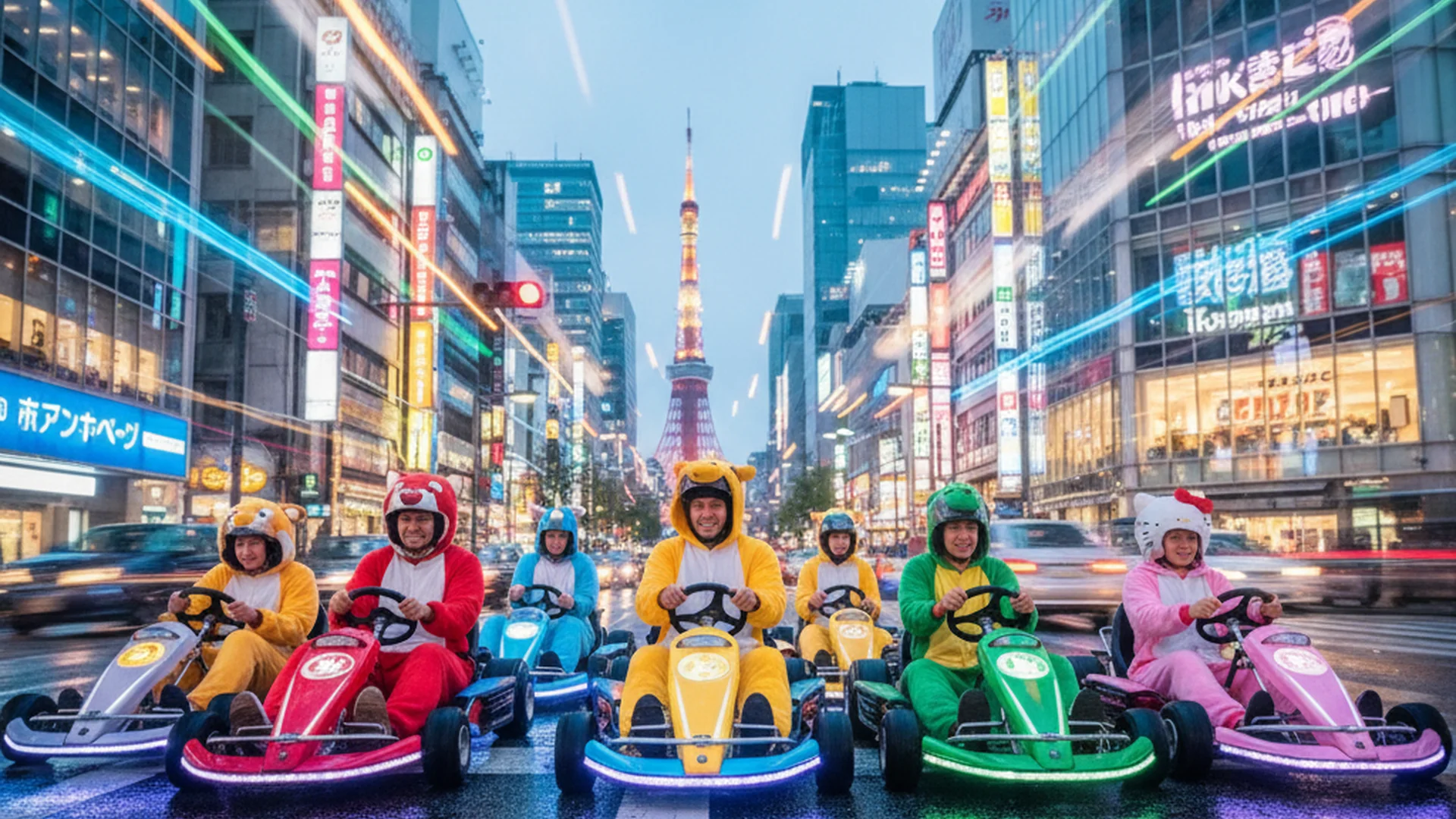
When you start researching unique things to do in Tokyo, one image almost always pops up: people dressed as superheroes or anime characters, driving tiny go-karts right alongside regular traffic on the city streets. It looks surreal, incredibly fun, and perhaps a little chaotic.
This experience, often referred to generically as "street karting" or by various operator names like "JapanKart," has become a modern staple of Tokyo tourism. A few years ago, you might have seen viral videos famously featuring Nintendo characters. Today, due to intellectual property changes, the costumes are more generic—think dinosaurs, superheroes, and cute animals—but the core experience of driving on public roads remains exactly the same thrill.
Seeing the city from a viewpoint just a few inches off the ground is unforgettable. However, actually securing your spot and showing up prepared requires some specific knowledge. It is not as simple as just buying a ticket and jumping in.
Here is my detailed guide to navigating the ticket booking process and preparing for your Tokyo street kart adventure.
What Makes JapanKart Different
Several operators run street-kart tours in Tokyo, and JapanKart distinguishes itself in three concrete ways:
- Custom-built karts: Rather than using off-the-shelf go-karts, JapanKart designs its own fleet under a "Safety and Comfort" motto, aiming for a more stable, comfortable ride than a generic kart.
- Staff escort vehicles: Groups are accompanied not just by a lead guide but by staff support cars, and on some routes by staff riding Yamaha Tricity motorcycles alongside the group — an extra layer of on-road support most competitors don't offer.
- Tokyo and Osaka: JapanKart is the only major operator running guided street-kart tours in both cities, so if your trip includes both, you can book the same operator for a consistent experience.
The Vital Prerequisite: The International Driving Permit (IDP)
The IDP requirement is universal across every Tokyo street-kart operator, so here's the short version — for the full breakdown (which countries need a translation instead, why the convention year matters, and what documents to bring), see our complete guide to Tokyo street go-karting.
You need a physical International Driving Permit based on the 1949 Geneva Convention — the 1968 Vienna Convention version is not accepted, and a digital photo of your IDP will be rejected at the shop. If your license is from Switzerland, Germany, France, Taiwan, Belgium, or Monaco, you need an official Japanese translation instead, obtained from JAF or your embassy before you travel.
I cannot stress this enough: without the correct paperwork, you will be turned away at the door and will likely lose your ticket fee.
Navigating the Ticket Booking Process
Once you are confident about your driving documents, it is time to book your tickets. This is an incredibly popular activity, and showing up without a reservation is almost never successful.
How Far in Advance to Book
I recommend booking your tickets at least one month in advance, especially if you are visiting during peak seasons like cherry blossom spring (late March/early April) or autumn foliage season (November).
If you have a specific date and time in mind—particularly a weekend evening slot—you should book as soon as your travel dates are confirmed.
Choosing Your Time Slot: Day vs. Night
When booking your ticket, you will need to choose a time. Both offer different vibes.
- Daytime Drives: These are great for visibility. You get a clearer view of the architecture and the neighborhoods you are passing through. It is also slightly easier to navigate traffic when it's bright out.
- Nighttime Drives: This is my personal recommendation for the ultimate Tokyo atmosphere. Driving when the sun goes down means the city's neon signs are ablaze. Cruising through Akihabara or Shibuya at night feels like you are inside a video game.
Operating Hours
While specific operators vary, most street kart tours run between 10:00 AM and 10:00 PM. The last tours usually depart around 8:00 PM to ensure they finish before closing time.
Choosing Your Route: Where Will You Drive?
When booking your JapanKart Tokyo tickets, you will usually select a starting shop based on the route you want to take. Most tours last between 60 and 90 minutes.
The Iconic Shibuya Crossing Route
For many, driving through the world-famous Shibuya Crossing is the main goal. Shops located in Shibuya or nearby areas usually include this on their route.
- What to expect: The energy here is unmatched. You will be driving across the intersection while hundreds of pedestrians wait on the corners, many of them taking photos of you. It’s a real superstar moment. These routes often pass through the fashionable streets of Harajuku as well.
- Location reference for Shibuya area: 📍 View Location
The Akihabara and Tokyo Tower Route
Other shops are based around Akihabara, the hub of anime and gaming culture.
- What to expect: This route is fantastic at night. The multi-story arcades and electronics shops glow with electric light. These routes often include longer, straighter roads that lead towards the Tokyo Tower. Driving right underneath the illuminated red-and-white tower is a breathtaking experience and a fantastic photo opportunity.
- Location reference for Akihabara area: 📍 View Location
The Day of the Drive: What to Expect
You have your IDP and your booked ticket. Here is how the actual experience plays out.
Arrival and Safety Briefing
Arrive at the shop at least 20 to 30 minutes before your scheduled departure time. You will need this time to show your documents, sign liability waivers, and get changed.
Before you head out, your guide will provide a mandatory safety briefing. They will explain how to operate the kart (gas on the right, brake on the left, handbrake, and turn signals). They will also explain essential Japanese road rules, most importantly that you drive on the left side of the road.
The Costume Element
While not mandatory, wearing a costume is a huge part of the fun. The shops provide racks of various onesies—superheroes, cartoon monsters, etc. You put these over your regular clothes. I recommend picking something bright for better visibility on the road.
Insider Tip: If you are visiting in summer, Tokyo gets incredibly hot and humid. A thick fleece onesie can be uncomfortable. Look for thinner material options. Conversely, in winter, it gets very cold driving at 60km/h, so wear warm layers underneath your costume and bring gloves.
The Driving Experience
You will drive in a single file line behind your guide. The guide will use hand signals to tell you when to change lanes or turn.
The karts sit very low to the ground, which makes normal cars, and especially trucks or buses, feel enormous. It can be intimidating for the first few minutes. Just stay focused, keep a safe distance from the kart in front of you, and follow the guide's lead. You are on public roads, so you must obey all traffic lights and speed limits.
Post-Drive Fuel: Dining and Exploring Nearby
After an hour or two of adrenaline and concentration, you will likely be hungry. Here are some ideas for what to do after you return your kart.
If your tour ends in the Shibuya area, I recommend heading up to Shibuya Sky for a contrasting view of the crossing from high above. For food, walk over to the Miyashita Park complex. It has a great collection of restaurants and casual izakayas on the ground floor, perfect for debriefing with your group over some gyoza and drinks.
If you finish up near Akihabara, you are deep in geek territory. You might want to try a themed cafe, like a maid cafe, for another uniquely Japanese experience. For something more traditional, walk over to Kanda Myojin Shrine, a beautiful historic spot that is surprisingly peaceful just steps away from the electric town.
Frequently Asked Questions
What makes JapanKart different from other Tokyo street-kart operators?
JapanKart uses its own custom-built kart fleet (rather than off-the-shelf karts), accompanies groups with staff support vehicles and, on some routes, staff riding escort motorcycles, and is the only major operator running guided tours in both Tokyo and Osaka.
Does JapanKart also operate in Osaka?
Yes. JapanKart is the only one of Tokyo's major street-kart operators that also runs guided tours in Osaka, making it a convenient single-operator choice if your trip covers both cities.
Do I need a different IDP for JapanKart specifically?
No — the International Driving Permit requirement is the same across every Tokyo street-kart operator: a physical IDP based on the 1949 Geneva Convention (or an official Japanese translation of your license if you're from Switzerland, Germany, France, Taiwan, Belgium, or Monaco).
How far in advance should I book JapanKart tickets?
Book at least a month ahead if possible, and earlier still for weekend evening slots or peak seasons like cherry blossom season (late March–early April) and autumn foliage (November).
Driving a street kart in Tokyo is a thrilling, once-in-a-lifetime activity. By ensuring you have your 1949 IDP ready and booking your tickets well in advance, you can ensure a smooth and unforgettable ride through one of the world's most exciting cities.