
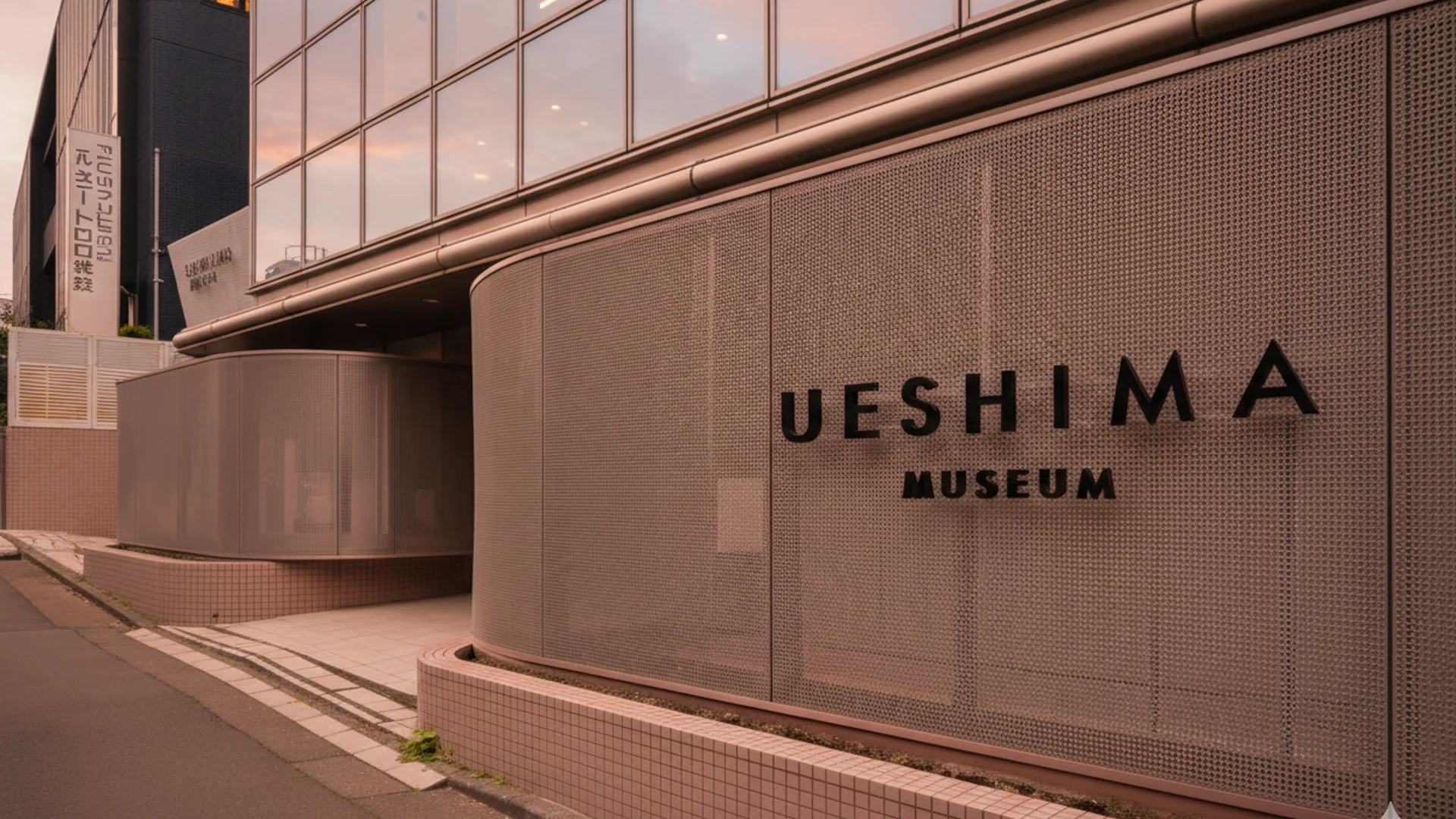
Experience Contemporary Art at Ueshima Museum Shibuya Tokyo
Shibuya is often defined by its organized chaos—the scramble crossing, the neon lights, and the endless energy of youth culture. But if you look a little deeper, beyond the shopping complexes and karaoke bars, you will find a sophisticated, quiet revolution happening in its art scene. I recently spent an afternoon at the Ueshima Museum, and I can confidently say it is one of the most refreshing additions to Tokyo’s cultural landscape.
If you are an art lover, a design enthusiast, or simply someone looking for a reflective escape from the Tokyo crowds, this place is for you. It isn’t just a building filled with paintings; it is a carefully curated experience that challenges how we interact with contemporary creativity. In this guide, I’ll walk you through everything you need to know—from its unique history to the masterpieces inside, and where to grab a bite afterwards.
From Classroom to Gallery: A Unique Transformation
One of the most fascinating aspects of the Ueshima Museum is its backstory. When you stand in front of the building, you might sense a structure that feels both institutional and strangely intimate. That is because this space wasn’t originally built for art; it used to be the British School in Tokyo.
For decades, this building buzzed with students and teachers. In a beautiful nod to sustainability and memory, the structure was not demolished but repurposed. The renovation has been masterfully executed, stripping back the interiors to create a "white cube" aesthetic that allows the art to breathe, while retaining the sturdy, welcoming bones of the original school.
How it used to be:
- Function: An educational facility (The British School in Tokyo).
- Vibe: Bustling, academic, and enclosed.
What it is now:
- Function: A sanctuary for the Ueshima Collection of contemporary art.
- Vibe: Minimalist, contemplative, and open to the public (by reservation).
I recommend taking a moment in the stairwells or the lobby to appreciate this architectural shift. It feels symbolic—a place of learning transformed into a place of visual thinking.
View Ueshima Museum on Google Maps
The Art: A Journey Through "Contemporaneity"
The museum houses the private collection of entrepreneur Yasuharu (Kankuro) Ueshima. The core theme here is "Contemporaneity"—art that reflects the now, the immediate past, and the possible future.
What to See
Unlike massive national museums where you might feel overwhelmed by thousands of artifacts, the curation here is personal and focused. The collection includes over 650 works, with a rotating selection on display.
- Global Heavyweights: You can expect to encounter works by internationally renowned artists. Think along the lines of Olafur Eliasson, whose play with light and perception alters the room you stand in, or Damien Hirst.
- Japanese Innovators: The museum heavily features Japanese contemporary artists who are defining the current era. Look out for the mesmerizing texture of works by Kohei Nawa. His "PixCell" series, often featuring taxidermy covered in glass beads, is a visual marvel that distorts reality and is a favorite among visitors.
- The TeamLab Connection: The collection often features digital or immersive works, such as those by teamLab. These pieces bring a dynamic, moving element to the gallery space, breaking the silence of static paintings.
The "No-Guard" Experience
Here is something that surprised me: there are no traditional security guards hovering in the corners. Instead, the museum uses a high-tech system involving QR codes. When you book your ticket, you receive a code that you scan to enter different rooms.
This absence of uniformed guards changes the atmosphere completely. You feel more trusted, more alone with the art. It removes that feeling of being watched, allowing you to truly immerse yourself in the pieces. However, this freedom comes with responsibility (more on that in the Do’s and Don’ts section).
Planning Your Visit: Timings and Logistics
Because this is a private museum, it doesn’t operate exactly like the public ones you might be used to. Spontaneity is difficult here; planning is key.
Opening Hours:
- Standard Hours: 11:00 AM – 5:00 PM
- Last Entry: 4:00 PM
- Closed: Mondays (If a national holiday falls on a Monday, they are usually open, and closed the following day). Always check the official website for the most current calendar.
Best Time to Visit: I recommend booking a slot for a weekday afternoon, around 2:00 PM. The morning slots can sometimes be busy with eager travelers, but the post-lunch crowd tends to be thinner. The natural light entering the upper floors in the afternoon creates a lovely atmosphere for viewing the sculptures.
Tickets: You generally need to book via their Web Ticket System in advance. Slots can fill up, especially on weekends, so try to secure your spot at least a few days prior to your trip.
Essential Do's and Don'ts
To ensure you and everyone else has a pleasant time, keep these insider tips in mind. The staff are incredibly polite, and following these simple rules helps maintain the harmony of the space.
Do:
- Book in advance: I cannot stress this enough. Walk-ins are often not accommodated.
- Bring a light jacket: The climate control for artwork preservation can make the galleries feel a bit chilly, even in summer.
- Use the lockers: Large bags are a nuisance in intimate gallery spaces. Travel light or use the provided storage.
- Keep your phone charged: Since you need your QR code to enter rooms, a dead battery could cut your visit short!
Don't:
- Use pens: If you want to take notes or sketch, use a pencil. Ink pens are strictly prohibited to protect the artwork from accidental spills or marks.
- Wear loud shoes: The floors are hard (renovated school/industrial style), and high heels or heavy boots can echo loudly. Soft-soled sneakers are the best choice.
- Touch the art: This is standard, but with the "no guard" policy, it is a test of integrity. Even clean hands leave oils that damage surfaces.
- Forget headphones: If you are using an audio guide or watching video art on your own device, headphones are a must to keep the silence.
Beyond the Art: Dining and Exploring Nearby
After soaking in the culture, your brain will likely be buzzing, and your stomach rumbling. The museum's location in Shibuya puts you in a prime spot for excellent food. Here are my organic recommendations for places within a 10-15 minute walk.
1. Coffee and Chill at Miyashita Park
Just a short stroll away is Miyashita Park, a modern complex with a rooftop park.
- Valley Park Stand: This is a great cafe inside the hotel sequence at Miyashita Park. It has a very open, airy vibe. Grab a latte and a pressed sandwich here. It’s a perfect spot to sit and discuss the art you just saw.
- The Vibe: Modern, youthful, and green.
View Miyashita Park on Google Maps
2. Authentic Bites at Shibuya Stream
Head towards the Shibuya Stream complex for more substantial dining. The architecture here mimics the flow of the river and is quite scenic.
- Sushi Tokyo Ten: If you want high-quality sushi without the intimidating silence of a counter-only suppression, this is a fantastic option. It’s busy and lively.
- Why go: It offers an "Omakase" (chef's choice) that is incredibly fresh and captures the essence of Tokyo dining.
View Shibuya Stream on Google Maps
3. Yakitori Vibes
If you are visiting in the late afternoon and transitioning into the evening, you should experience an Izakaya (Japanese pub).
- Jomon (Roppongi or Shibuya branch nearby): While busy, Jomon offers excellent Yakitori (grilled chicken skewers). It’s a bit more energetic and loud—a fun contrast to the quiet museum.
4. Dessert Fix
- Shoto Cafe: Located a bit further towards the Bunkamura area, this spot is famous for its chiffon cake. It’s simple, fluffy, and not too sweet. A great "old-school Shibuya" contrast to the ultra-modern art you just witnessed.
Final Thoughts
The Ueshima Museum represents the new face of Tokyo. It is a city that respects its past (the school building) while relentlessly pursuing the future (contemporary art). It is a place that asks you to think, to look closer, and to appreciate the "now."
When you visit, take your time. Don't rush from room to room. Let the unique atmosphere of the renovated school halls and the provocative art settle in. It is a rare pocket of mindfulness in the world's busiest city, and an experience I highly recommend adding to your Tokyo itinerary.
Safe travels and enjoy the art!