
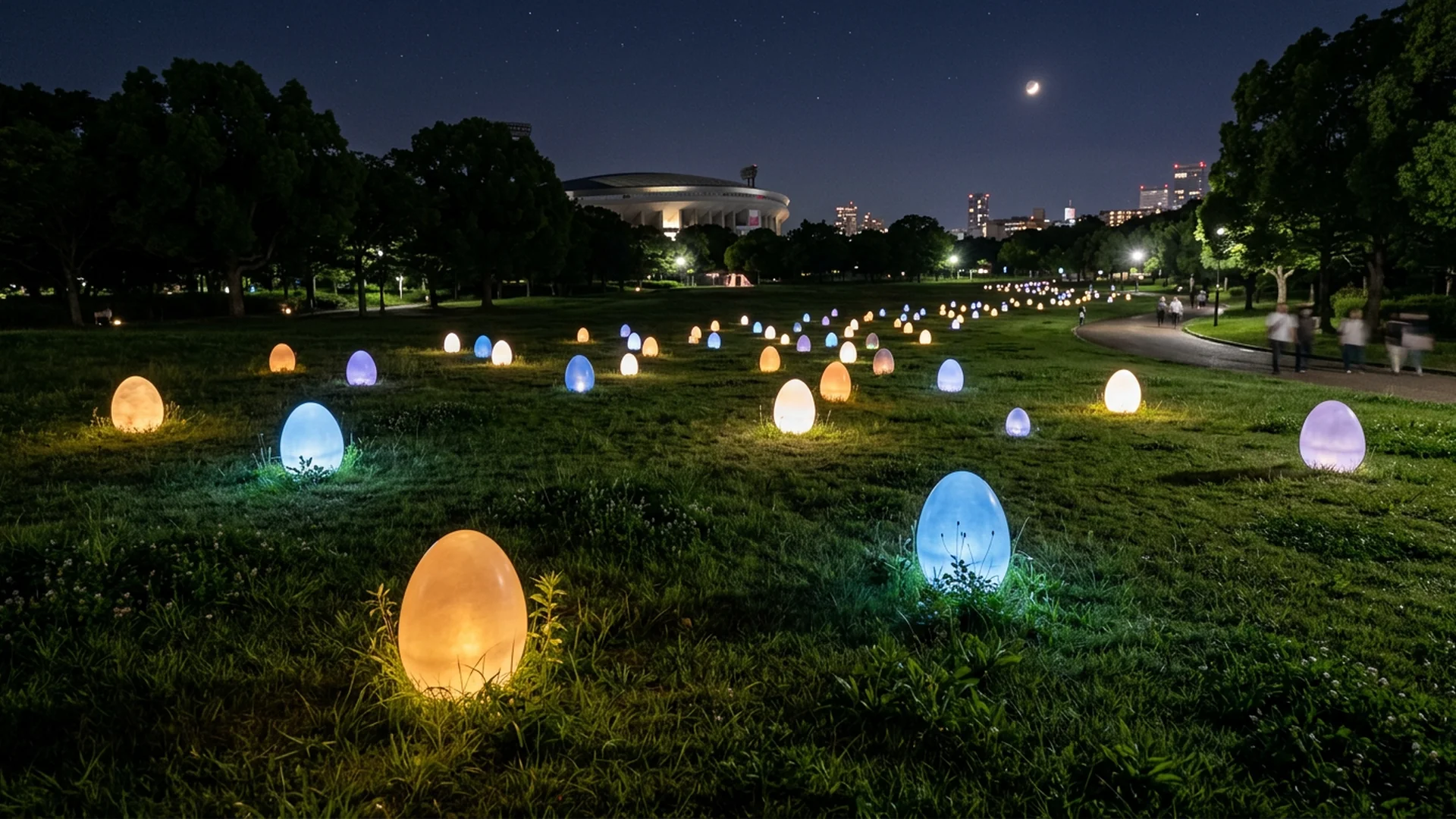
Magical Nights at TeamLab Botanical Garden Osaka Experience

When you have spent over a decade and a half exploring the nooks and crannies of Japan, you start to see patterns in how the country blends the ancient with the hyper-modern. But every once in a while, something breaks the mold entirely. The TeamLab Botanical Garden in Osaka is one of those places. Located within the historic Nagai Park, this is not your typical museum visit. It is an open-air, nocturnal dialogue between nature and digital art that completely transformed a quiet local spot into a world-class destination.
In this guide, I will take you through everything you need to know to navigate this ethereal experience, from the best time to arrive to where you should grab a bite of authentic Osaka soul food afterward.
The Transformation: From Quiet Park to Digital Forest
To truly appreciate this experience, it helps to understand what Nagai Park means to the locals. For decades, the Nagai Botanical Garden was a lovely, albeit traditional, daytime destination. It was where families went for picnics and seniors took morning walks among the seasonal flora. At night, the gates would close, and the park would go dark and silent.
That changed recently when the art collective TeamLab took over the night. Unlike their indoor museums in Tokyo (Planets or Borderless), which build digital worlds from scratch, the Osaka project uses the existing nature. They didn't remove the trees; they highlighted them. They didn't pave over the grass; they planted light within it. The concept is that non-material digital technology can turn nature into art without harming it.
When you visit today, you are walking through the same paths that exist during the day, but the atmosphere is unrecognizable. It feels like stepping onto an alien planet where the flora is alive with light and sound.
The Artworks: What to Look For
The exhibition is vast, covering about 240,000 square meters. You should allow yourself at least 90 minutes to two hours to wander through slowly. Here are the highlights I recommend you prioritize.
Resonating Microcosms
You will likely see photos of these before you arrive. These are the famous "ovoid" sculptures—egg-shaped objects that stand in a field of moss.
- The Experience: During the day, they reflect the world around them like silver mirrors. But at night, they glow. When you gently push one, it shines brighter and emits a specific sound tone. This triggers a chain reaction, causing the surrounding eggs to resonate with the same light and sound.
- My Tip: Don't just look at them; interact with them. The art is designed to respond to your presence. Just be gentle!
Floating Lamps on Oike Lake
This is perhaps the most contemplative section of the garden. Hundreds of lamps float on the surface of the large central lake.
- The Experience: The lights interact with the wind and the people passing by on the bridge. It is incredibly peaceful. The reflection of the lights on the dark water creates a sense of infinite depth. It is a fantastic spot for photography, though capturing low light on moving water requires a steady hand.
Sculptures of Dissipative Birds in the Wind
Huge, digital projections are cast onto the massive trees of the garden. The "birds" fly and dissipate based on real-time data of the wind and the people nearby. It is not a recorded loop; it is a computer program that continuously renders the art, meaning the visual you see right now will never happen exactly the same way again.
Practical Information: Timing and Seasons
Opening Hours and Sunset
The garden opens at night, and the hours shift with the seasons to align with the sunset.
- General Timings: Usually opens between 18:00 and 19:30 and closes around 21:30.
- Last Entry: usually one hour before closing.
- Closed: It is generally closed on the second and fourth Monday of the month, but always check the official calendar before you travel.
Seasonal Considerations
- Summer: Osaka summers are hot and humid. While the night is cooler, it can still be sticky. The greenery is lush, but mosquitoes can be present. I recommend wearing long, breathable pants or using bug spray.
- Autumn: This is my favorite time to visit. The air is crisp, the sunset is earlier (giving you more time), and the changing leaves provide a different texture for the lights to play on.
- Winter: It gets chilly, and the wind in Nagai Park can cut through thin layers. However, the cold air makes the lights appear even sharper and clearer.
- Rain: The exhibition stays open in the rain (unless it is a typhoon). In fact, wet pavement and dripping trees reflect the lights beautifully, doubling the visual impact. If you don't mind getting a little wet, a rainy night offers a crowd-free, glossy experience.
Insider Tips: Do's and Don'ts
To make your experience as smooth as possible, keep these points in mind.
Do's
- Do wear comfortable shoes: This is a botanical garden, not a paved shopping mall. The paths can be earthen, uneven, or dark. High heels or loose flip-flops are a bad idea. Sneakers are your best friend here.
- Do buy tickets in advance: While you can sometimes buy tickets at the door, the queues can be long on weekends. Buying online saves you time and guarantees entry.
- Do bring a light jacket: Even in warmer months, the park cools down at night, and you will be outdoors the entire time.
Don'ts
- Don't use flash photography: The entire atmosphere relies on the interplay of darkness and projected light. Using a flash will wash out the art and ruin the immersion for everyone around you.
- Don't go off the path: To protect the rare plant species that live in the garden, stick to the designated walkways.
- Don't rush: The soundscape is just as important as the visuals. Take your time to listen to the ambient music that changes as you move between zones.
Nearby Experiences and Dining
Nagai Park is a bit removed from the neon lights of Dotonbori, which gives you a chance to experience a more local side of Osaka. Since food and drink are generally not allowed inside the exhibition area (water is okay), you will want to eat before or after.
For a Quick Bite: Mister Donut & Convenience Stores
If you arrive right at opening time and just need a snack, there is a Mister Donut near Nagai Station. It’s a staple in Japan. There are also several convenience stores (Lawsons, 7-Eleven) where you can grab a warm drink or an onigiri (rice ball) before heading into the park.
Authentic Osaka Dinner: Okonomiyaki Momiji
You cannot leave Osaka without having Okonomiyaki (savory pancake). There are several small, family-run Teppanyaki spots in the streets surrounding Nagai Station. I recommend exploring the alleys west of the subway station. Look for red lanterns. These places are where the locals eat, offering a warm, noisy, and delicious contrast to the ethereal quiet of the garden.
High-End Dining: Matasaburo
If you want to turn the evening into a special occasion, Matasaburo is a short walk from Nagai Park. It is a renowned restaurant specializing in dry-aged beef. It is on the pricier side and requires a reservation, but the quality of the beef is legendary in Osaka. It’s a fantastic place to discuss the art you just saw over a glass of wine and perfectly grilled meat.
Dessert: Cafe & Bar
After walking for 90 minutes, you might want to sit down. The area around Nagai Station has several "Kissaten" (traditional coffee shops). Many stay open late enough for a post-exhibition parfait or coffee.
Getting There and Away
The garden is easily accessible.
- Train: Take the Midosuji Subway Line to Nagai Station. Use Exit 3 and walk about 10 minutes through the park to the Botanical Garden entrance.
- Note: The park is huge. Don't just go to "Nagai Park"; specifically aim for the Botanical Garden gate, or you might find yourself walking an extra 20 minutes in the dark.
Final Thoughts
TeamLab Botanical Garden Osaka offers something rare: a space where technology makes us appreciate nature more, not less. It is a place where you can feel the wind, smell the earth, and see the invisible rhythms of life visualized through light.
Whether you are a solo traveler seeking a meditative evening, a couple looking for a romantic stroll, or a family wanting to let the kids interact with art, this place delivers. It is a highlight of modern Osaka that respects its natural roots.
Enjoy the lights, watch your step, and let the atmosphere wash over you.