
Complete Guide to Osaka Castle Tickets and Experience

When you first arrive in Osaka, the silhouette of the castle is likely one of the first things you will spot on the horizon. Having explored Japan extensively for over 15 years, I can confidently say that while Himeji might be more "authentic" in its construction, Osaka Castle offers a unique blend of history and modern storytelling that makes it a must-visit. It stands not just as a fortress, but as a symbol of the city's resilience.
Many travelers arrive at the park confused about where the free areas end and the ticketed experience begins. In this guide, I will walk you through exactly how to handle your Osaka Castle tickets, what to expect inside the tower, and how to make the most of the surrounding park and dining precincts.
The Approach: Entering the Fortress
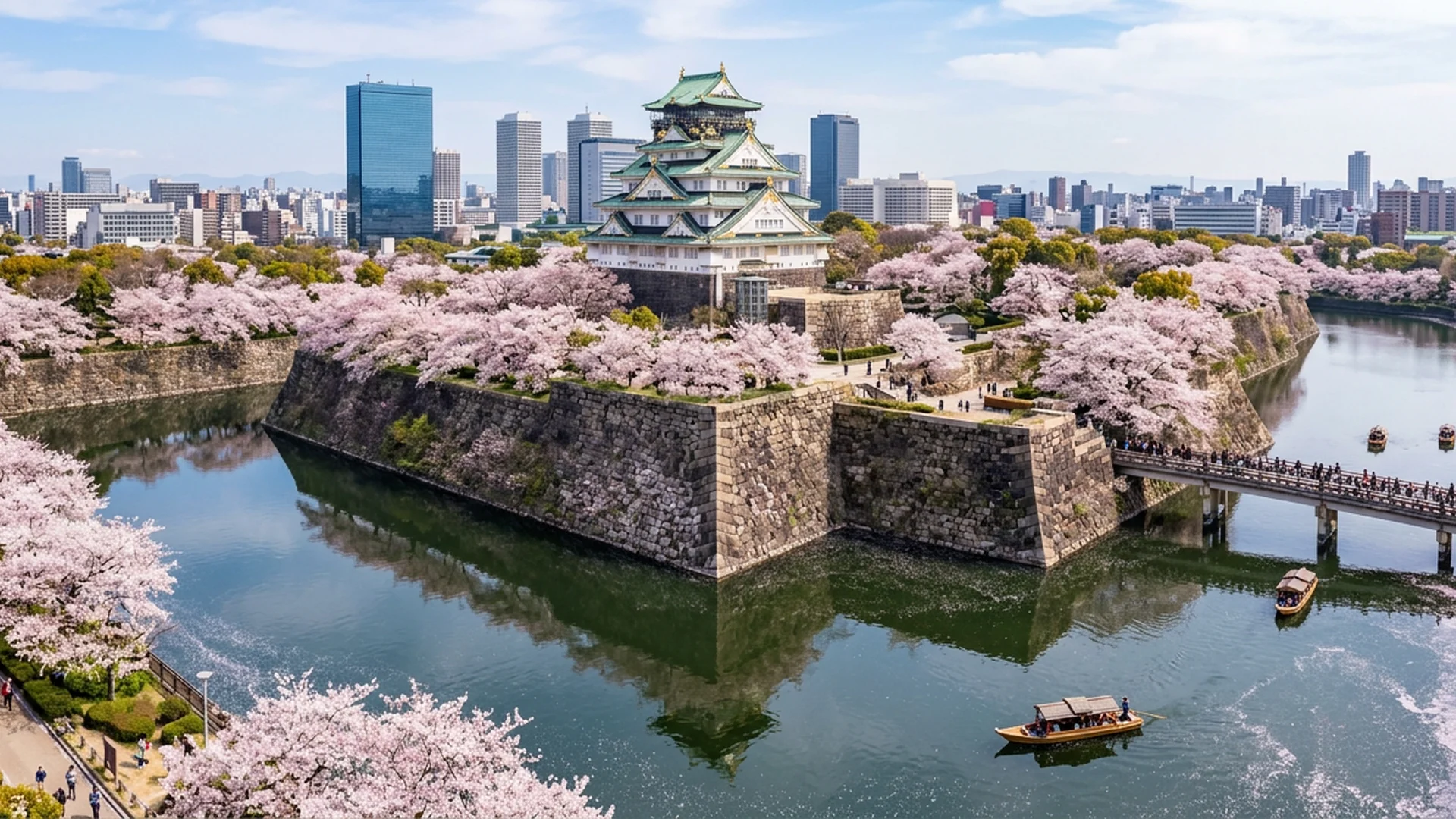
Before you even think about buying a ticket, you have to navigate the park. I recommend entering through the Otemon Gate. The sheer scale of the stone walls here is breathtaking.
Things to keep in mind: You will notice massive stones incorporated into the walls. Look for the "Octopus Stone," a megalith that is estimated to weigh over 100 tons. It is fascinating to imagine how these were transported in the 17th century without modern machinery.
The park itself is free to enter. You can spend hours just wandering the perimeter, looking at the moats, and enjoying the seasonal flowers without spending a yen. However, to enter the main keep (the Tenshukaku), you will need a ticket.
The Main Keep: What to Expect Inside
This is where the experience surprises many first-time visitors. From the outside, Osaka Castle looks like a pristine example of Edo-period architecture. However, the current structure is a concrete reconstruction from 1931.
When you step inside with your ticket, you won't find creaky wooden floorboards or drafty corridors. Instead, you are greeted by a modern museum equipped with elevators and air conditioning.
The Museum Experience
I recommend starting your journey by taking the elevator (or stairs if you are feeling energetic) to the top and working your way down. The museum spans eight floors.
- The Observation Deck (8th Floor): This is the highlight. The balcony wraps around the building, offering a 360-degree view of Osaka. You can see the contrast between the ancient castle grounds and the futuristic skyscrapers of the Business Park.
- The Exhibits (Floors 2-7): These floors house a rich collection of artifacts. You will see folding screens, intricate samurai armor, and historical documents.
- Holograms and Dioramas: To keep things engaging, the museum uses 3D holograms to tell the life story of Toyotomi Hideyoshi, the ruler who originally built the castle. It is a fantastic way to understand the history without reading dry text.
Insider Tip: The elevator only goes up. If you want to see the exhibits in chronological order, take the elevator to the top, enjoy the view, and then use the stairs to descend floor by floor.
Nishinomaru Garden
Located to the west of the main keep is the Nishinomaru Garden. Note that this usually requires a separate ticket, though sometimes combo tickets are available.
I highly recommend visiting this spot during cherry blossom season (late March to early April). The garden contains around 600 cherry trees. In the evening, they light up the trees, creating a magical atmosphere. Even outside of spring, it offers the best unobstructed view of the castle tower for photographers, away from the crowds of the main plaza.
The Gozabune Boat Experience
For a different perspective, look for the Osaka Castle Gozabune. These are golden boats that tour the inner moat. The ride takes about 20 minutes.
Seeing the stone walls from the water level gives you a true sense of how impregnable this fortress was designed to be. The boatmen often share interesting historical tidbits (sometimes with English audio guides available). It is a relaxing break for your feet after walking the expansive grounds.
Dining and Relaxation Nearby
Years ago, food options around the castle were limited to vending machines and hot dog stands. Today, the area has been transformed into a culinary destination.
MIRAIZA OSAKA-JO
Right next to the castle tower is a beautiful European-style building called MIRAIZA. Historically, this was the former headquarters of the 4th Division of the Imperial Japanese Army.
- What to do: Inside, you will find cafes and souvenir shops. There is a rooftop terrace that offers a "nose-to-nose" view of the castle tower while you sip on a drink. It is a great spot for a rest.
JO-TERRACE OSAKA
Located near Osakajokoen Station, JO-TERRACE is a modern complex of restaurants and shops designed to look like a castle town with a contemporary twist.
- Recommendation: I suggest trying Takoyaki (octopus balls) here. Osaka is famous for this street food, and enjoying it within sight of the castle feels very authentic. There are also excellent pancake houses and matcha dessert shops if you have a sweet tooth.
- Gram Cafe & Pancakes: Famous for their fluffy, jiggly premium pancakes.
- Starbucks: There is a Starbucks at the park entrance that is beautifully designed to blend in with the surrounding forest.
Practical Information
Opening and Closing Hours
- Osaka Castle Museum: Generally open from 9:00 AM to 5:00 PM (Last admission is usually at 4:30 PM).
- Note: During cherry blossom season, Golden Week, and summer holidays, hours are often extended. Always check the official schedule before you go.
- Nishinomaru Garden: 9:00 AM to 5:00 PM (Extended during cherry blossom illumination events).
- Closed: The museum is usually closed from December 28th to January 1st.
Seasonal Considerations
- Spring: The most beautiful but also the most crowded time due to cherry blossoms.
- Summer: Osaka gets incredibly hot and humid. The castle park has little shade in the main approach. Bring a parasol or hat.
- Autumn: The ginkgo trees along the outer roads turn a brilliant gold. It is stunning and generally more comfortable than summer.
- Winter: The plum grove (Ume) blooms in late February, offering a lovely scent and color before the cherry blossoms arrive.
Do's and Don'ts
- Do buy your tickets online in advance if possible. The queue at the ticket vending machines can get very long, especially on weekends.
- Do wear comfortable walking shoes. The walk from the nearest train station to the castle entrance is roughly 15-20 minutes on gravel and stone paths.
- Don't expect a medieval interior. Manage your expectations regarding the concrete reconstruction to avoid disappointment.
- Don't use flash photography inside the museum on floors with historical artifacts, as it can damage the pigments. Look for signage indicating where photos are allowed.
Final Thoughts
Osaka Castle is more than just a photo opportunity. It is a place where you can physically touch the history of Japan's unification. Whether you are marveling at the giant stones, learning about samurai history in the air-conditioned museum, or simply enjoying a matcha soft-serve ice cream at Jo-Terrace, it offers a complete day out.
My advice is to go early in the morning to beat the crowds, explore the museum first, and then relax in the park as the afternoon sun hits the golden tigers on the castle roof. It is a sight that never gets old, no matter how many times I visit.