
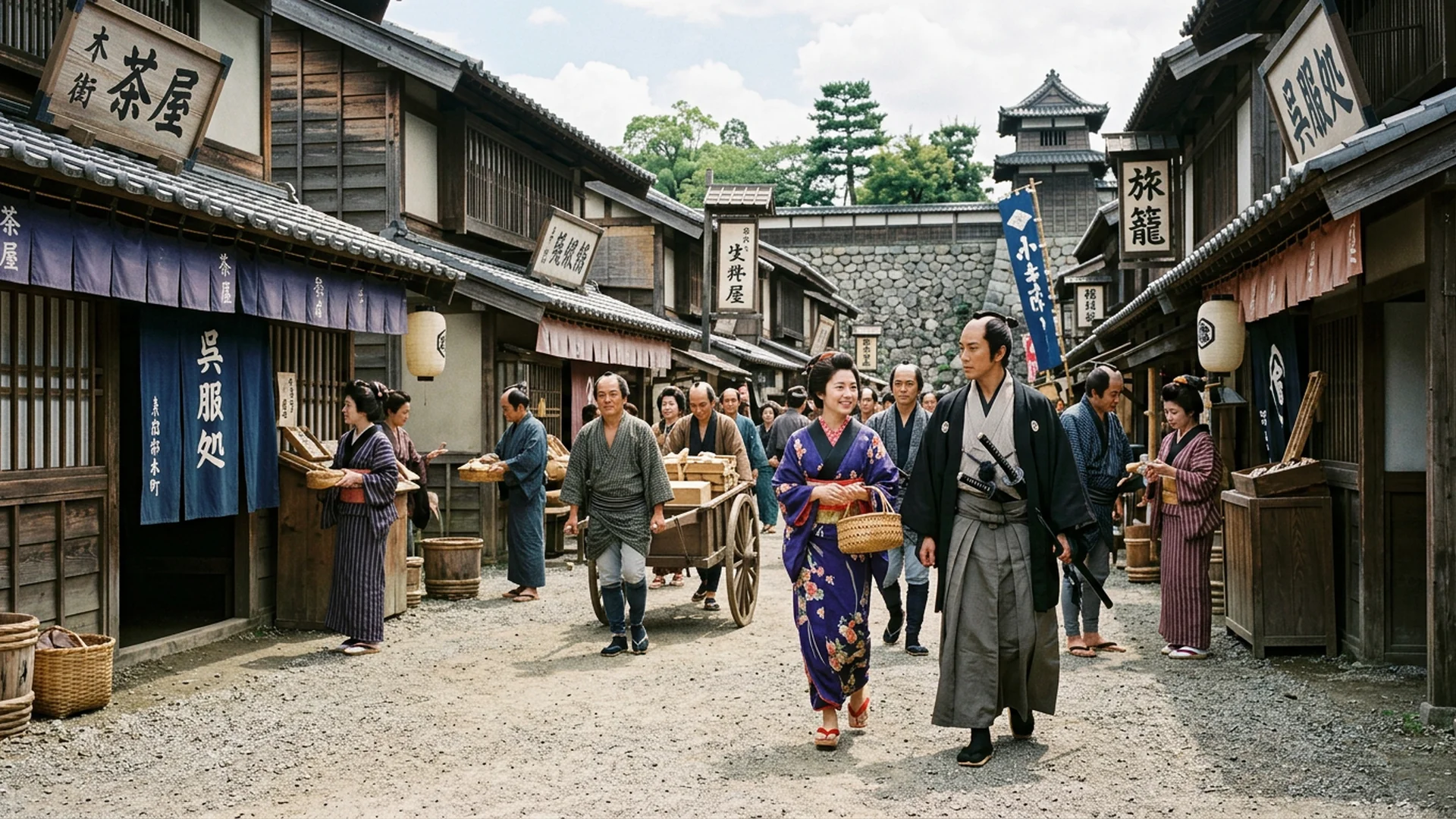
TOEI Kyoto Studio Park Experiences: Where History Meets Pop Culture
When people dream of Kyoto, they often picture the silent zen gardens or the vermilion gates of Fushimi Inari. However, there is a side of Kyoto that is loud, theatrical, and incredibly fun, yet deeply rooted in the city's artistic history. I am talking about TOEI Kyoto Studio Park (Toei Uzumasa Eigamura). Having explored Kyoto's nooks and crannies for over 15 years, I can tell you that this is not just a theme park; it is a living, breathing film set that offers a tangible connection to Japan's "Jidai-geki" (period drama) heritage.
Located in the Uzumasa district, which was once known as the "Hollywood of Japan," this park allows you to walk through the streets of Edo, witness professional sword fighting, and then turn a corner to see a giant robot from Neon Genesis Evangelion. It is a surreal and delightful contrast that you simply cannot find anywhere else.
In this guide, I will walk you through how to navigate this expansive park, what shows are unmissable, and where to find the best retro dining experiences both inside and outside the gates.
The Atmosphere: Walking Through a Movie
The moment you step through the gates, the asphalt of modern Kyoto disappears. You are transported back to the Edo Period (1603-1867). The attention to detail here is professional because, unlike standard theme parks, actual movies and TV shows are filmed here regularly.
Then and Now: Years ago, the park felt strictly like a behind-the-scenes tour for film buffs. It was quieter, with a focus on the technical side of filmmaking. Today, while it retains that authenticity, it has evolved into a much more interactive experience. The streets are livelier, the actors are more engaging with the crowds, and the addition of anime culture has bridged the gap between generations.
You will walk past the Nihonbashi Bridge, a replica of the famous bridge in Tokyo, and wander through the Yoshiwara District with its distinct red lattice woodwork.
- Insider Tip: Keep your eyes peeled for camera crews. If you see a roped-off area with intense lighting equipment, they are likely filming a drama. You have to be quiet, but watching the process is fascinating.
The Spectacles: Shows You Cannot Miss
The park's schedule changes daily, so I recommend grabbing a pamphlet immediately upon entry. However, there are staples that define the Eigamura experience.
Sasuke’s Ninja Show
This is not a cartoonish display. It involves high-energy acrobatics, 3D projection mapping, and impressive choreography. It is performed in a dedicated theater and is a hit with both adults and children.
Samurai Sword Fighting Lesson
This is my personal favorite recommendation for visitors. Professional actors from the Toei company demonstrate Tate (stage combat). They explain the tricks of the trade—how to sound like you are cutting without touching, and the exaggerated acting styles of the samurai era. They often pick volunteers from the audience to try it out. It is hilarious and educational.
The Oiran Procession
If you are lucky enough to visit on a day this is scheduled, it is breathtaking. An actress dressed as an Oiran (high-ranking courtesan) parades through the open streets in incredibly heavy, ornate kimono and tall geta sandals. The grace required to walk in that attire is immense.
Interactive Experiences: Become the Character
Watching is fun, but participating is better.
Costume Rental (Henshin): You can rent costumes to walk around the park. You can be a samurai, a town girl, a ninja, or a princess.
- Recommendation: If you want the full experience with professional makeup and wigs (which takes about an hour), go to the dedicated studio inside. For a quick change just to take photos, there are lighter options available. Walking the Edo streets in a kimono changes how you feel about the architecture; you become part of the set.
Ninja Mystery House: This is a trick mansion filled with revolving doors, slanted floors, and hidden passages. It is physically engaging and a great way to test your "ninja" senses.
Evangelion Kyoto Base: In a striking pivot to modern pop culture, the park houses a massive statuesque bust of Evangelion Unit-01. You can actually climb onto the palm of its hand for a photo. The juxtaposition of a giant biomechanical robot rising out of a pool of "LCL" fluid against the backdrop of traditional tiled roofs is a photo opportunity that encapsulates modern Japan perfectly.
Dining: A Taste of the Past and Present
You will spend a lot of time walking, so fueling up is essential.
Inside the Park
- Kiku-no-yo: This looks like an old-fashioned bathhouse from the outside, but inside, it is a cafe. I recommend trying the Mitarashi Dango (skewered rice dumplings with sweet soy glaze). It is a classic samurai-era snack.
- Ninja Cafe: Here you can find curry and burgers themed around ninja stars (shuriken) and anime characters. It is fun, casual, and great for families.
Nearby Dining (Outside the Park)
If you want to escape the park food scene for lunch or dinner, the surrounding Uzumasa area has some gems.
Udon Noodle Omiya Located a short walk from the park, this is a local favorite. The udon noodles are thick and chewy, served in a flavorful dashi broth. It feels very homey and is a great way to decompress after the excitement of the studio.
Saga Tofu Ine (Arashiyama Branch) If you are heading back via the Randen tram line, stop at Arashiyama (just a few stops away). Here, you can experience Yudofu (simmered tofu), a Kyoto specialty. It is a bit more upscale but offers a serene dining experience overlooking the gardens or street.
Practical Information and Timings
Opening Hours
- Standard Hours: Generally 9:00 AM to 5:00 PM.
- Last Entry: Usually one hour before closing.
- Note: Hours can vary by season. In winter, they might open at 9:30 AM. Occasionally, they have night illumination events in summer where the park stays open late, transforming the Edo streets with lanterns.
Seasonal Considerations
- Spring (Cherry Blossoms): The park is stunning. The weeping cherry trees against the samurai residences make for perfect photos.
- Summer: Kyoto summers are notoriously hot and humid. The park has little shade in the open "street" areas. Bring a hat and stay hydrated. The "Haunted House" attraction is particularly popular in summer as a way to send "chills" down your spine (a Japanese tradition).
- Autumn: The changing leaves make the outdoor sets look very dramatic.
- Winter: It can be cold, but fewer crowds mean you can take photos of the sets without other tourists in the background.
Things to Keep in Mind (Do's and Don'ts)
- Do wear comfortable shoes: You will be walking on unpaved ground, gravel, and sometimes uneven movie sets.
- Do verify showtimes immediately: When you enter, check the board. The actors are professionals, and they stick to a tight schedule.
- Do explore the Toei Anime Museum: Located near the exit, this museum covers the history of Toei Animation (Dragon Ball, Sailor Moon, One Piece). It is included in the ticket and is a nostalgia bomb for anyone who grew up watching anime.
- Don't ignore the "Filming in Progress" signs: If a street is blocked off, respect it. They are shooting real TV shows.
- Don't rush: Allow at least 3 to 4 hours to see the shows and walk the grounds properly.
Getting There
The most atmospheric way to arrive is via the Randen (Keifuku) Tram Line. It is the last running streetcar in Kyoto. Take it to Uzumasa-Koryuji Station, and it is a short 5-minute walk to the park. The tram ride itself, rattling through the backstreets of Kyoto, sets the mood perfectly.
FAQ
What's included with a TOEI Kyoto Studio Park ticket?
Your ticket covers the park's shows (like Sasuke's Ninja Show and the samurai sword-fighting demonstration), the Ninja Mystery House, the Evangelion Kyoto Base, and the Toei Anime Museum near the exit. Costume rental (henshin) is a separate add-on experience inside the park.
How do I get tickets for TOEI Kyoto Studio Park?
Tickets are available at the park entrance. Once inside, grab a show pamphlet immediately, since the schedule changes daily and the actors keep to a tight timetable.
What are the opening hours?
Generally 9:00 AM to 5:00 PM, with last entry about an hour before closing. Hours can shift by season — expect a slightly later 9:30 AM opening in winter — and the park sometimes runs night illumination events in summer with extended hours.
How long should I plan to spend at the park?
At least 3 to 4 hours to catch the shows and walk the grounds properly, including the Toei Anime Museum near the exit.
How do I get to TOEI Kyoto Studio Park?
Take the Randen (Keifuku) Tram Line — Kyoto's last running streetcar — to Uzumasa-Koryuji Station, then walk about 5 minutes to the park entrance.
Final Thoughts
TOEI Kyoto Studio Park is more than a tourist trap; it is a celebration of storytelling. Whether it is the story of a rogue samurai from the 1800s or a teenage pilot in a giant robot, this park honors the imagination.
For travelers, it offers a rare chance to engage with history physically rather than just viewing it behind glass in a museum. You can hold a sword, walk the bridge, and for a few hours, suspend your disbelief and live in the Kyoto of the past.
Safe travels, and enjoy your journey through time!