
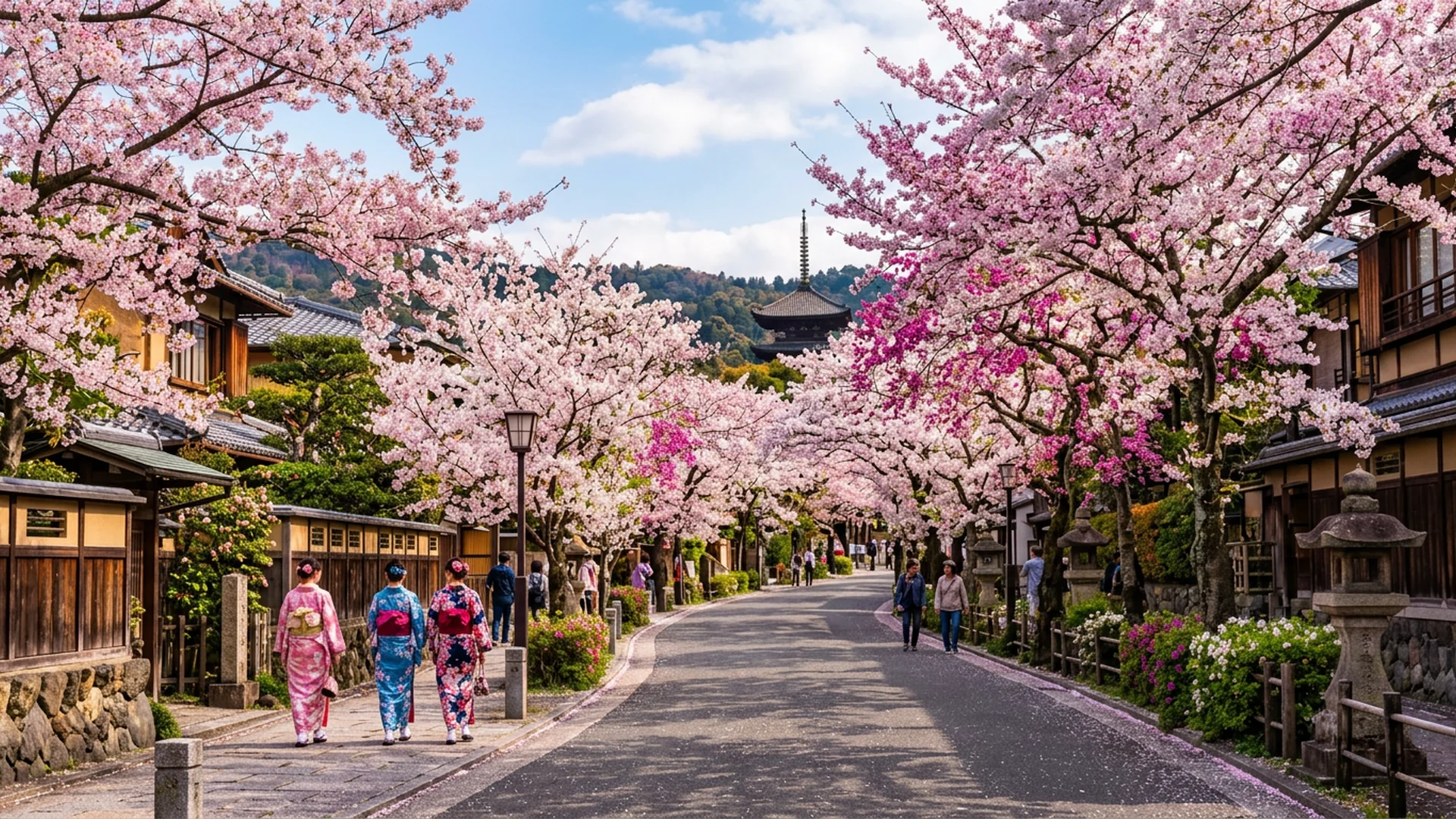
Experience the Magic of Kyoto Cherry Blossom Tours in Japan
When you imagine the quintessential Japanese spring, your mind immediately conjures images of delicate pink petals drifting gently on a soft breeze, framing ancient wooden temples and serene stone pathways. Participating in Kyoto cherry blossom tours is, without a doubt, one of the most mesmerizing and culturally immersive travel experiences you can have. As a travel writer who has wandered through these floral wonderlands, I highly recommend dedicating ample time to truly absorb the atmosphere of this historic city during sakura (cherry blossom) season.
This guide is designed to provide you with highly detailed, actionable information to make your spring journey unforgettable. From understanding the historical context of blossom viewing to finding the perfect local cafe to rest your feet, you will find everything you need to know to navigate the city seamlessly.
The Evolution of Hanami: A Glimpse into the Past and Present
The tradition of hanami, which translates directly to "flower viewing," has deep roots in Japanese history. Centuries ago, during the Heian Period, this practice was an exclusive privilege reserved for aristocrats, poets, and members of the imperial court. They would gather under the blooming branches to compose elegant poetry, play classical instruments, and reflect on the fleeting, ephemeral nature of life—a concept known as mono no aware.
Today, hanami has beautifully evolved into a widely celebrated, inclusive event enjoyed by locals and global travelers alike. While you won't necessarily find people writing calligraphy under the trees, you will witness families, friends, and colleagues gathering on blue tarps, sharing meals, and enjoying the festive atmosphere. Modern Kyoto cherry blossom tours seamlessly blend this rich historical reverence with contemporary accessibility, offering guided walks, traditional boat rides, and beautifully illuminated evening viewings that were simply impossible in centuries past.
Top Destinations for Your Kyoto Cherry Blossom Tours
Kyoto boasts hundreds of viewing locations, but a few stand out for their breathtaking landscapes and cultural significance. I recommend starting your days early to fully appreciate these locations before the peak afternoon crowds arrive.
The Philosopher's Path: A Picturesque Morning Stroll
The Philosopher's Path (Tetsugaku no Michi) is a beautifully tranquil, two-kilometer stone walkway that follows a small canal in the northern part of the city's Higashiyama district. Lined with hundreds of cherry trees, the path creates a literal tunnel of pink during full bloom.
What to expect: The path connects Ginkaku-ji (The Silver Pavilion) to the neighborhood of Nanzen-ji. Walking the entire length takes about 30 to 45 minutes, but you should allow for at least two hours to take photos and explore the small boutiques along the way. Timings: The path is a public walkway and is open 24/7. However, I strongly recommend arriving right at sunrise, around 6:00 AM. The morning light filtering through the blossoms is magical, and you will share the space mostly with local early risers and birds. 📍 View Location Nearby Experience: Halfway down the path, take a break at Green Terrace (📍 View Location), a lovely cafe offering matcha lattes and traditional Japanese sweets with outdoor seating perfectly positioned for blossom viewing.
Maruyama Park: The Iconic Weeping Cherry Tree
If you are looking for the vibrant, festive heart of Kyoto's hanami culture, Maruyama Park is the place to be. This is the city's oldest park and serves as the epicenter for celebratory gatherings.
What to expect: The absolute star of the park is the massive shidarezakura (weeping cherry tree) situated in the center. During the day, the park is filled with food stalls selling savory treats like yakisoba and takoyaki. At night, the atmosphere transforms completely as the giant tree is brilliantly illuminated, casting a majestic glow over the revelers. Timings: The park is always open. The food stalls generally operate from mid-morning until around 10:00 PM during the season. The tree illuminations begin at sunset and last until midnight. 📍 View Location Nearby Experience: Just a short walk from the park is Chourakukan (📍 View Location), a magnificent European-style historic mansion turned cafe. It is a fantastic spot to enjoy premium tea and exquisite cakes in a highly refined setting after an evening in the bustling park.
Arashiyama and the Katsura River: Nature's Grand Canvas
Located on the western outskirts of the city, Arashiyama offers a completely different aesthetic. Instead of manicured gardens, you get sweeping, majestic views of mountainsides blanketed in pink blossoms alongside the wide Katsura River.
What to expect: The iconic Togetsukyo Bridge serves as the perfect vantage point. For a truly memorable experience, I highly recommend renting a traditional wooden boat, known as a yakatabune, or taking a guided riverboat tour. Drifting down the river surrounded by forested hills dotted with sakura is remarkably peaceful. Timings: The area is open all day, but boat tours typically run from 9:00 AM to 4:00 PM. Arrive by 8:00 AM if you wish to photograph the bridge without crowds. 📍 View Location Nearby Experience: For coffee enthusiasts, % Arabica Kyoto Arashiyama (📍 View Location) is a must-visit. Situated right on the riverbank, you can grab a world-class espresso while gazing out at the blossoms reflecting on the water.
Essential Etiquette: Do's and Don'ts During Sakura Season
To ensure that these beautiful locations remain pristine for future generations, and to respect the local residents who call this city home, it is vital to follow proper hanami etiquette.
The Do's:
- Do walk on designated paths: Always stay on the marked trails to protect the delicate root systems of the ancient trees.
- Do bring layers: Spring weather in Japan is notoriously fickle. You might be comfortable in a t-shirt at noon, but you will definitely need a warm jacket for evening illuminations.
- Do carry a small trash bag: Public dustbins are incredibly rare in Japanese cities. You are expected to carry your wrappers, cups, and food waste back to your hotel for proper sorting and disposal.
The Don'ts:
- Don't touch or pull the branches: This is the golden rule. The trees are fragile, and pulling branches down for a photograph causes permanent damage. Let the blossoms fall naturally.
- Don't spread massive tarps unnecessarily: If you plan to sit in a park, only take up the space you and your companions actually need. Reserving massive areas for hours while no one is there is frowned upon.
- Don't enter private property: It is easy to get lost in the beauty of the residential streets, but always respect private gardens and avoid blocking local driveways.
Seasonal Considerations, Weather, and Planning
Timing your Kyoto cherry blossom tours is both an art and a science. The blooms are heavily dependent on the weather patterns of the preceding months.
When to Visit: Generally, the buds begin to open in late March, reaching full bloom (mankai) around the first week of April. The peak viewing period only lasts about a week before the petals start to fall in a beautiful floral snow shower known as hanafubuki. I recommend booking your accommodations at least six to eight months in advance, as the city reaches maximum capacity during this window.
Navigating the City: The bus system in the city can become overwhelmingly delayed during peak season due to traffic. Whenever possible, I suggest utilizing the subway network or renting a bicycle. Biking along the Kamogawa River under the cherry trees is a wonderfully efficient and scenic way to travel between districts.
Cost Expectations for Your Journey
While I will avoid specific numeric prices as they fluctuate yearly, you can plan your budget around a few categories. The beauty of the season is that observing the blossoms in parks and along pathways is entirely free, making it a highly budget-friendly core activity.
If you wish to elevate your experience, moderate costs will apply to things like temple entrance fees, traditional sweets, and standard group walking tours. For those seeking luxury, you will find premium cost ranges for private, English-speaking guide services, chartered riverboats with multi-course meals, and hiring traditional rickshaws (ebisuya) for a personalized ride through the historic streets.
Delicious Culinary Discoveries to Pair with Hanami
No day of exploration is complete without indulging in the local gastronomy. Kyoto's culinary scene leans heavily into seasonal ingredients, and spring is no exception. Look out for sakura mochi—a sweet pink rice cake filled with red bean paste and wrapped in a slightly salty, pickled cherry leaf.
For a substantial meal after walking the Philosopher's Path, head south towards the Gion district. I highly recommend Gion Duck Noodles (📍 View Location). Tucked away in a narrow alley, this stylish, modern eatery serves incredible ramen featuring rich duck broth and perfectly roasted slices of duck—a comforting bowl after a chilly spring morning.
If you find yourself near the downtown shopping area, take a stroll through Nishiki Market (📍 View Location). Known as "Kyoto's Kitchen," this long, covered street is lined with vendors selling everything from freshly grilled seafood skewers to seasonal pickled vegetables. It is the perfect place to assemble a high-quality, authentic picnic before heading to a nearby park.
Embarking on Kyoto cherry blossom tours provides an unparalleled opportunity to connect with Japan's deep-rooted appreciation for nature. By planning ahead, embracing the early morning tranquility, and traveling with a respectful heart, your spring journey will undoubtedly become a cherished lifelong memory.