
Experience the Golden Splendor at Kinkakuji Temple Kyoto

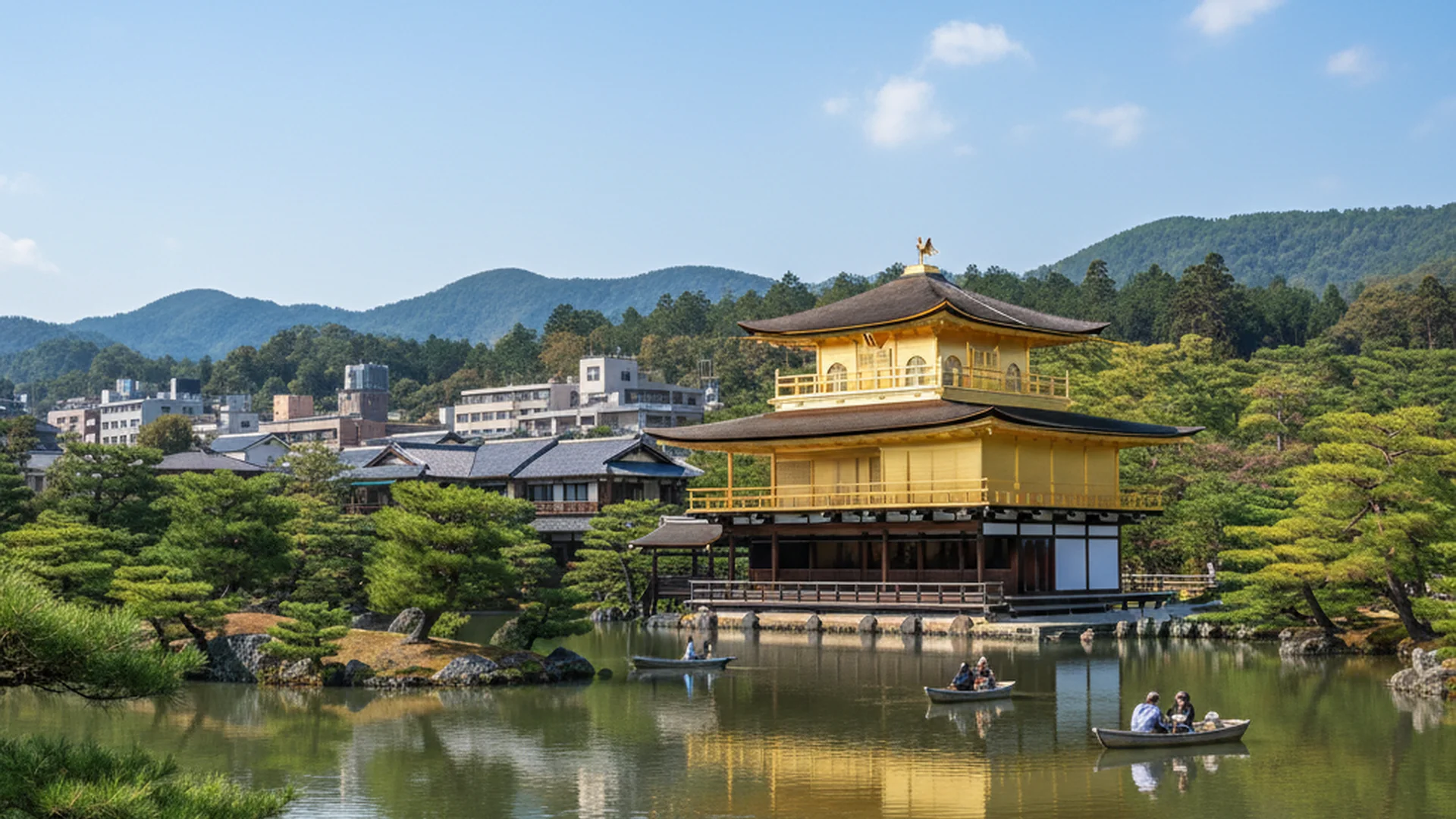
In my fifteen years of traversing the archipelago of Japan, I have stood before countless temples, shrines, and castles. Yet, there is a specific, almost magnetic pull that brings me back to the northwest corner of Kyoto. Here stands Kinkakuji, the Golden Pavilion. It is an image that graces every guidebook and postcard, but I can assure you that seeing it in person is a fundamentally different experience. The way the sunlight catches the gold leaf and reflects upon the Kyoko-chi (Mirror Pond) creates a moment of silence even amidst a crowd.
For travelers planning a Kyoto itinerary, Kinkakuji is non-negotiable. However, because of its fame, it requires a strategic approach to truly appreciate its depth beyond the glittering facade. In this guide, I will walk you through the history, the pathway, and the surrounding experiences that turn a simple sightseeing stop into a profound cultural memory.
A Legacy of Gold: Then and Now
To understand what you are looking at, we must step back in time. Kinkakuji, officially named Rokuon-ji, was originally the retirement villa of the Shogun Ashikaga Yoshimitsu in the late 14th century. It was designed to represent a distinct paradise on earth.
The Comparison: If you had visited this site centuries ago, it would have been a private, exclusive retreat for the elite, surrounded by other villas that have since been lost to time. What we see today is actually a reconstruction from 1955. The original pavilion survived centuries of civil unrest only to be tragically destroyed by fire in 1950.
The current structure is arguably more brilliant than it has been at any point in history. In the late 1980s, the gold leaf was reapplied, thicker and more resilient than before, ensuring that the pavilion glows with an intensity that the Shogun himself might envy. When you stand there, you are looking at a perfect idealization of the past, maintained with modern dedication.
The Approach and The Mirror Pond
The experience begins the moment you step through the Somon gate. You will notice the crunch of gravel underfoot—a traditional element designed to alert the residents of approaching guests. As you turn the corner past the ticket booth, the pavilion reveals itself.
This view across the Mirror Pond is the definitive Kinkakuji experience. I recommend finding a spot by the railing and just observing for a moment before taking your photo. Notice the small islands in the pond; they represent the Japanese creation myths. The reflection in the water is often as detailed as the structure itself.
Architectural Harmony
Take a close look at the three floors of the pavilion, as they tell a story of architectural evolution:
- The First Floor (The Chamber of Dharma Waters): This is built in the Shinden-zukuri style, reminiscent of 11th-century Heian aristocracy. It is unpainted wood and white plaster, grounding the structure.
- The Second Floor (The Tower of Sound Waves): Built in the Bukke-zukuri style of samurai residences. This is where the gold begins, covering the exterior.
- The Third Floor (Cupola of the Ultimate): Built in the Chinese Zen Hall style, gilded inside and out, and topped with a golden phoenix.
Wandering the Gardens
Many visitors snap the photo of the pavilion and rush to the exit, but I urge you to follow the path slowly through the gardens. This is a "strolling garden" (kaiyu-shiki-teien), meant to be enjoyed while moving.
As you ascend the path behind the pavilion, you get a closer look at the gold leaf work. You will also pass the Anmintaku Pond. Legend says this pond never dries up, even during severe droughts. In the center is a small stone pagoda called the White Snake Mound. It provides a mystical, quieter contrast to the brilliance of the main pavilion.
Further up, you will find the Sekka-tei Teahouse. This rustic structure is distinct for its "nanten" (heavenly bamboo) pillar. It sits on a high point, and in the past, it offered a view of the pavilion bathed in the setting sun. Today, it serves as a reminder of the tea ceremony culture that flourished here.
The Fudo-do Hall
Near the exit, you will encounter a small, older temple hall called Fudo-do. It houses a stone statue of Fudo Myoo, a protector deity, which is said to have been carved by Kobo Daishi, one of the most important figures in Japanese Buddhism. This is an active place of worship. You will smell incense and hear the ringing of the bell. I recommend stopping here to draw an Omikuji (fortune slip). They offer versions in English, providing a fun insight into your future luck.
Practical Information: Timings and Tips
Opening Hours
Kinkakuji is generally open from 9:00 AM to 5:00 PM, every day of the year.
Seasonal Considerations
- Autumn (Late November): The maples surrounding the pond turn fiery red. The contrast between the red leaves, blue sky, and gold pavilion is breathtaking.
- Winter (January/February): If you are lucky enough to be in Kyoto when it snows, drop everything and go to Kinkakuji. The "Snow Makeup" on the Golden Pavilion is considered one of the most beautiful sights in Japan.
- Summer: The greenery is lush, but Kyoto gets humid. The gold shines brightest under the summer sun.
Insider Tips for Travelers
- Beat the Crowds: Kinkakuji is incredibly popular. I recommend arriving either right at 9:00 AM when the gates open or after 3:30 PM. The late afternoon light is warmer and makes the gold glow with a deep amber hue.
- Tripods: Please note that tripods are generally prohibited within the grounds to keep the flow of traffic moving.
- The Ticket: Your entry ticket is not a receipt; it is a paper talisman (ofuda) meant to bring good luck and protection. Don't throw it away! It makes for a wonderful souvenir or bookmark.
Dining and Nearby Experiences
After soaking in the history, you will likely be ready for a break. The area around Kinkakuji, known as Kinugasa, has developed some lovely spots that cater to visitors without feeling overly commercial.
Kinkaku Soft
Just outside the exit, you will likely see people holding ice cream cones that shine. This is Kinkaku Soft. They serve high-quality matcha and vanilla soft-serve wrapped in a sheet of real, edible gold leaf. Is it a bit touristy? Yes. Is it a fun, photo-worthy treat that fits the theme perfectly? Absolutely. The matcha used is often ground on a stone mill, ensuring good flavor beneath the bling.
Itadaki
For a proper lunch, I recommend walking a short distance to Itadaki. This is a Western-style restaurant (Yoshoku) that locals love. They serve distinct Kyoto-style dishes using local vegetables. It is cozy, welcoming, and offers a break from temple food if you are craving something hearty like a hamburger steak or curry.
Tea Ceremony Koto
If you want to extend the cultural immersion, there is a tea ceremony venue called Tea Ceremony Koto very close to the temple. Unlike the rigid formal ceremonies, this is friendly to beginners and foreign visitors. You can experience whisking your own matcha and eating traditional sweets just minutes away from where the Shogun once did the same.
Beyond Kinkakuji: The Ryoan-ji Connection
Since Kinkakuji is in the northwest, it pairs perfectly with a visit to Ryoan-ji Temple, famous for its rock garden. It is about a 20-minute walk or a very short bus ride away.
- My Recommendation: Start at Kinkakuji for the visual splendor, then move to Ryoan-ji for mental quietness. The contrast between the ostentatious gold of Kinkakuji and the minimalist stone garden of Ryoan-ji perfectly encapsulates the spectrum of Japanese aesthetics.
Final Thoughts
Visiting Kinkakuji is about witnessing resilience. It is a structure that has been burned down and rebuilt, yet continues to stand as a symbol of beauty. When you visit, don't just rush for the photo. Listen to the wind in the pines, watch the koi fish disturb the reflection in the pond, and appreciate the craftsmanship that keeps this pavilion shining century after century.
It is a place that lives up to the hype, provided you take the time to look past the gold and see the history beneath. Safe travels, and enjoy the beauty of Kyoto.