
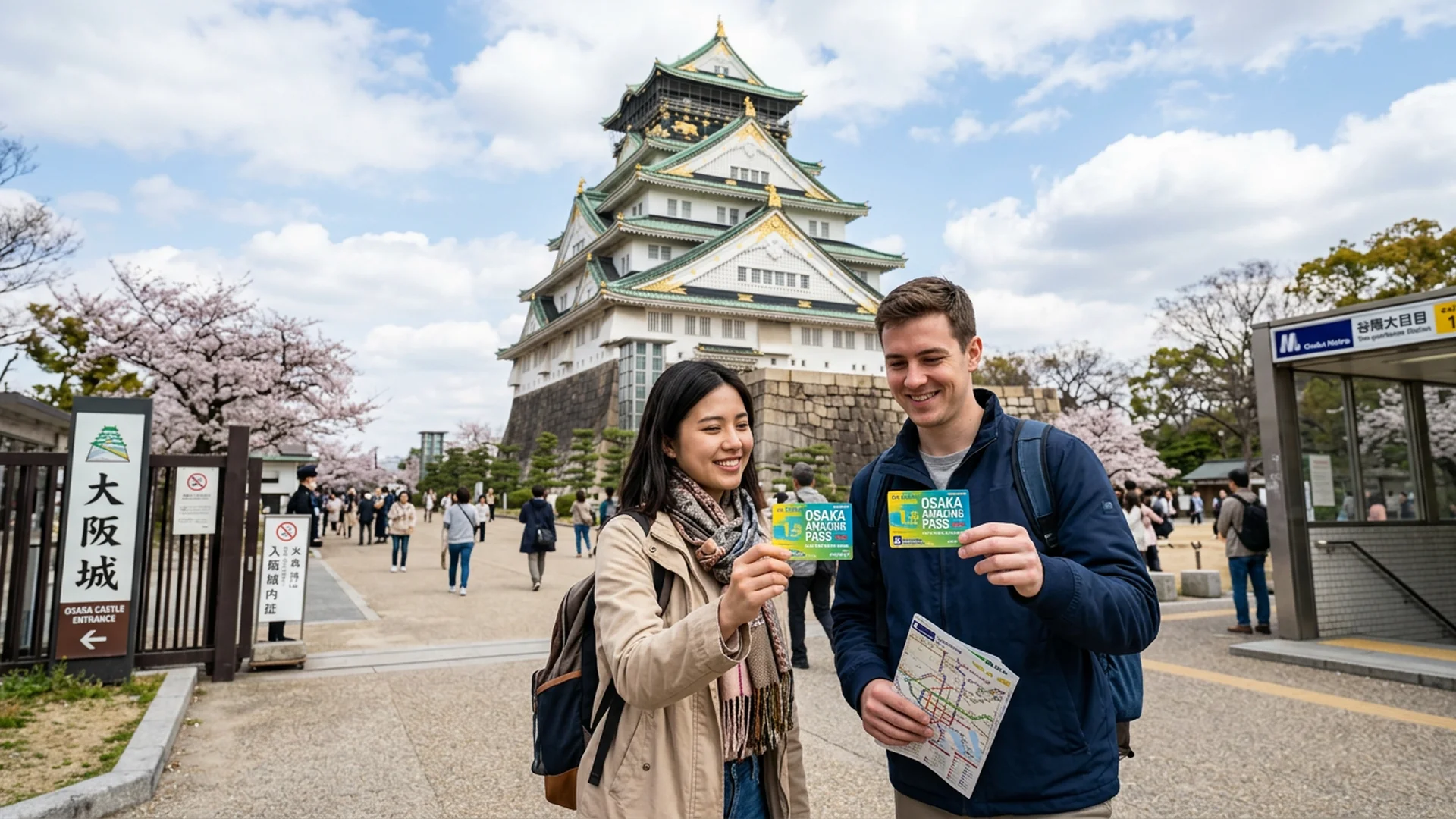
Maximizing Your Experience With the Osaka Amazing Pass

After spending over 15 years exploring the intricate rail networks and vibrant streets of Japan, I have come to a simple conclusion: Osaka is a city that rewards the mobile traveler. Unlike Tokyo, where neighborhoods are vast and best explored one at a time, Osaka is compact and energetic, encouraging you to bounce from the retro towers of the south to the futuristic skylines of the north.
The key to unlocking this mobility—and saving a significant amount of stress—is the Osaka Amazing Pass. Often simply called the "Osaka Pass" by travelers, this is not just a transport ticket; it is an all-access key to the city’s top cultural and leisure spots.
In this guide, I will walk you through how to strategically use this pass, moving beyond the basic brochure to give you a day-by-day breakdown of how to squeeze every drop of value out of it. We will cover the must-see sights, the transport nuances, and where to eat along the way.
Understanding the Pass: More Than Just a Ticket
The Osaka Amazing Pass essentially combines two things: unlimited rides on the Osaka Metro (subway) and city buses, and free entry to over 40 major sightseeing spots.
Then and Now: Years ago, this was a physical card you had to buy at tourist information centers. While physical cards still exist, the system has modernized into digital e-tickets (QR codes) for smartphones. This is a game-changer for avoiding queues at the airport. However, keep in mind that the digital pass gates operate differently than the physical ticket slots.
Important Distinction: This pass covers the Osaka Metro, not the JR Loop Line. Many first-time visitors confuse the two. If you jump on a JR train, you will have to pay extra. Stick to the subway lines (Midosuji, Tanimachi, Chuo, etc.) to keep your travel completely free.
Morning: conquering the North (Kita/Umeda)
I recommend starting your day in the Umeda area. The pass offers entry to one of the city’s most iconic structures, but there is a catch regarding timing.
Umeda Sky Building (Kuchu Teien Observatory)
This futuristic building features a "Floating Garden" observatory connecting two towers. The view is breathtaking, offering a 360-degree panorama.
- Insider Tip: The Osaka Amazing Pass typically grants free entry here only until late afternoon (often 3:00 PM or 4:00 PM, though times can vary by season). If you arrive at sunset, you might have to pay full price or a discounted rate. Go in the morning to guarantee free entry.
- The Experience: Take the see-through escalator suspended in mid-air. It feels like ascending into a spaceship.
HEP FIVE Ferris Wheel
After the Sky Building, walk through the bustling Umeda district to the HEP FIVE shopping mall. On the roof sits a bright red Ferris wheel.
- Why do it: It offers a different, more intimate view of the urban jungle compared to the Sky Building. Plus, inside the gondolas, you can plug in your phone and play your own music.
- Dining Nearby: Umeda is a labyrinth of food. For a coffee break, head to Nakazakicho, a short walk away. It is a retro neighborhood with cafes in old wooden houses. Cafe Arabiq is a moody, library-themed spot perfect for a quiet cup.
Mid-Day: History and Waterways
From Umeda, take the Tanimachi Line (purple) or Midosuji Line (red) down to the castle area.
Osaka Castle Museum and Nishinomaru Garden
The pass gets you into the main tower (the museum) and the Nishinomaru Garden.
- The Queue: The ticket line for the castle can be incredibly long. Showing your pass usually allows you to skip the ticket purchase line and go straight to the elevator/entrance line.
- Dining: Before heading up to the castle, stop at JO-TERRACE OSAKA near Osakajokoen Station. It’s a modern dining complex. I recommend trying Gram Cafe & Pancakes for their fluffy, soufflé-style pancakes—a quintessential Japanese dessert experience.
Osaka Castle Gozabune Boat
This is a hidden gem included in the pass. It is a golden boat that tours the castle moat. Seeing the massive stone walls from the water level gives you a sense of the fortress's scale that you miss from the land. You must exchange your pass for a timed ticket at the booth near the bridge, so do this before you enter the castle tower to secure a slot.
Afternoon to Evening: The Southern Energy (Minami)
Take the subway to Namba or Shinsaibashi. This is the beating heart of Osaka.
Tombori River Cruise
This is the classic 20-minute cruise along the Dotonbori canal. You pass under the bridges and look up at the Glico Man sign.
- Crucial Advice: The ticket booth for this cruise opens in the morning (usually 11:00 AM or 12:00 PM). Even with the pass, you must go to the booth to reserve a time slot. If you show up at 7:00 PM hoping to ride immediately, it will likely be sold out. Go to the booth as soon as you arrive in Namba to book an evening slot, then go explore.
Tsutenkaku Tower and Slider
A short subway ride to Ebisucho Station takes you to Shinsekai. The pass covers entry to the Tsutenkaku Tower observation deck. Recently, they added a "Tower Slider" (a giant slide down the side). Check if your pass edition covers the slide or just the observation deck, as this changes periodically.
- Dining: Shinsekai is the home of Kushikatsu (deep-fried skewers). Kushikatsu Daruma is the famous spot with the "Angry Chef" statue. Remember the golden rule: no double dipping the sauce!
Relaxation: The Perfect End
After walking 20,000 steps, use the pass for one final treat: a hot spring.
Natural Hot Spring Naniwa no Yu
Located near Tenjinbashisuji 6-chome Station, this onsen is included in the pass. It is located on the roof of a building and features open-air baths. Soaking in natural hot spring water while looking up at the Osaka sky is the best way to recover.
- Etiquette: Remember that you must be completely nude (no swimsuits) and wash thoroughly before entering the water. Tattoos are generally restricted, so check the current policy if you have ink.
Practical Information and Tips
Opening Hours
- Transport: The subway runs from roughly 5:00 AM to Midnight.
- Facilities: Most tourist facilities open between 9:00 AM and 10:00 AM and close between 5:00 PM and 8:00 PM. However, the Tombori Cruise runs later into the night.
Do's and Don'ts
- Do download the official app or keep a PDF of the guidebook on your phone. It shows real-time availability and strict opening hours.
- Do start your day early. To get full value (which can easily exceed 3x the cost of the pass), you need to hit 3-4 major spots.
- Don't use the pass on the Nankai Line from the airport unless you bought the specific "Nankai Expansion" version. The standard pass starts working in the city.
- Don't activate the pass for just evening travel. The pass works on a calendar day basis (from first use until last train), not a 24-hour clock. If you start at 6:00 PM, your pass expires that night. Start in the morning!
Seasonal Considerations
- Cherry Blossom Season (Spring): The pass includes the Okawa River Sakura Cruise, which is spectacular. Lines will be long, so arrive an hour before opening.
- Summer: Osaka is humid. Use the pass to hop on the subway for just one stop to stay in the air conditioning. It’s unlimited, so save your energy.
Final Thoughts
The Osaka Amazing Pass is more than a discount ticket; it is a motivator. It encourages you to try the river cruise you might have skipped, or visit the museum you weren't sure about. It removes the friction of buying individual tickets, making your travel seamless.
My final recommendation is to plan your route loosely but allow for spontaneity. If you see a queue for the Ferris wheel, hop on the subway and go to the hot spring instead. The city is yours to explore.
Safe travels and enjoy the energy of Osaka!